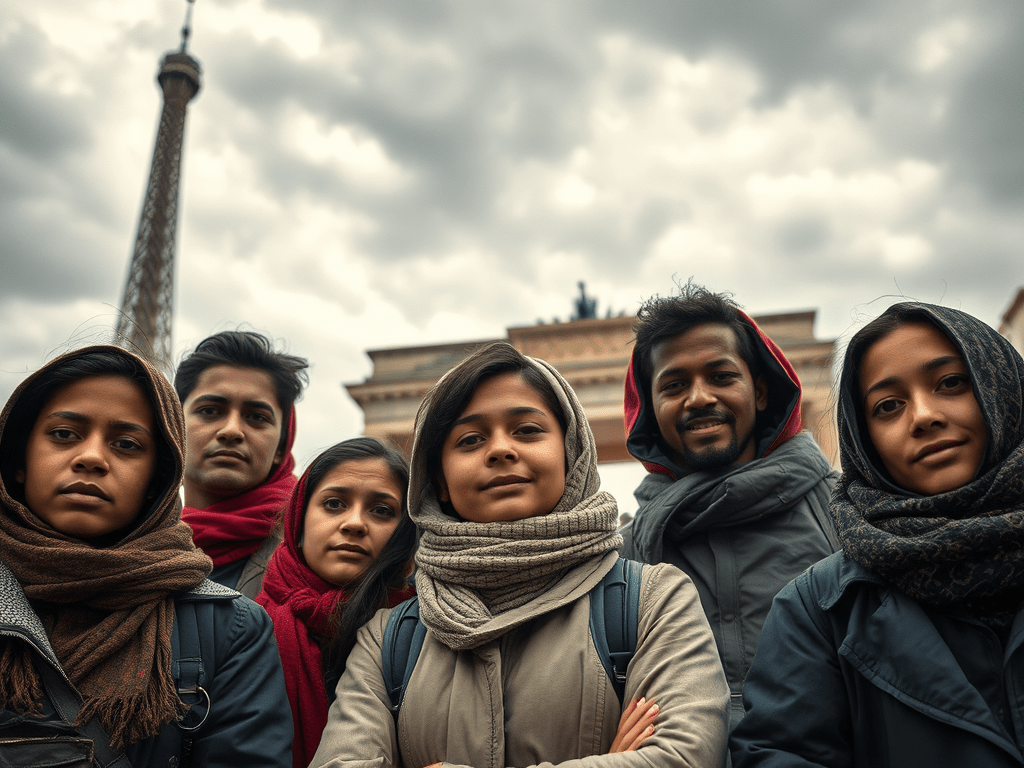
The issue of climate refugees is rapidly becoming one of the most pressing humanitarian challenges of the 21st century. As climate change accelerates, millions of people around the world are being forced to flee their homes due to extreme weather events, rising sea levels, and other environmental disasters. Europe, with its relative wealth, political influence, and established refugee policies, is in a unique position to offer support and shelter to these climate refugees. Here’s why Europe should take action:
1. The Growing Crisis of Climate Refugees
Climate refugees are people who are displaced from their homes due to environmental factors, such as flooding, droughts, hurricanes, wildfires, and rising sea levels. These extreme events are increasingly common due to climate change, and their impact on vulnerable communities is devastating. According to the United Nations and various environmental organizations, the number of climate refugees could reach 200 million by 2050. Countries in the Global South, particularly small island nations, low-lying coastal areas, and regions dependent on agriculture, are the most affected.
For instance, island nations like the Maldives and Tuvalu face the existential threat of rising sea levels. In parts of Africa, countries such as Sudan, Somalia, and Ethiopia are suffering from prolonged droughts and famine, while extreme flooding in countries like Bangladesh forces millions to seek safer areas.
These refugees are often forced to leave not just because of the immediate danger to their lives but also due to the collapse of their livelihoods, exacerbated by environmental degradation.
2. Ethical Responsibility and Global Solidarity
Europe has a moral obligation to help those who are displaced by climate change, especially since much of the environmental damage has been exacerbated by industrialized nations, including many European countries. Historically, Europe has contributed disproportionately to carbon emissions, which have fueled global warming and intensified natural disasters worldwide. As the wealthiest region in the world, Europe should take responsibility for its role in causing climate change and step up to support those most affected.
Additionally, there is a humanitarian imperative: no one should be forced to live in constant fear of extreme weather, famine, or the loss of their home. By offering shelter to climate refugees, Europe would not only be fulfilling its ethical duty but also setting a global example of solidarity in the face of the climate crisis.
3. A Legal Framework for Climate Refugees
Currently, there is no formal international legal status for climate refugees. The 1951 Refugee Convention defines refugees as individuals fleeing persecution based on race, religion, nationality, or membership in a particular social group. Climate refugees, on the other hand, are displaced due to environmental factors, which do not fit within the traditional legal framework.
To address this, there is a growing push for the recognition of climate refugees under international law. Europe can play a leading role in advocating for a new, legally recognized category of refugees, providing protection for those displaced by climate-induced disasters. This would enable climate refugees to gain access to asylum, legal protections, and social services in European countries.
In the absence of such a legal framework, European countries should adopt ad hoc measures to provide immediate shelter, humanitarian aid, and support for those displaced by climate change.
4. Economic and Social Benefits of Welcoming Climate Refugees
While the argument for sheltering climate refugees is primarily ethical, there are also economic and social benefits for European countries to consider:
- Workforce and Economic Growth: Many climate refugees are young, able-bodied individuals who can contribute to the workforce. Europe faces aging populations and labor shortages, particularly in sectors like agriculture, healthcare, and construction. Welcoming refugees can help address these demographic challenges by providing an influx of workers who can help support economic growth.
- Cultural Enrichment: Refugees bring diversity, cultural exchange, and new perspectives to the societies that welcome them. This can enhance social cohesion and innovation, making European countries richer in terms of culture and ideas.
- Climate Change Adaptation: By welcoming refugees, Europe can also help some of the most vulnerable populations adapt to the realities of climate change, creating resilient communities through mutual support. With proper integration policies, refugees can contribute to the sustainable development of host countries.
5. The Political and Social Challenges
While there are many compelling reasons for Europe to provide shelter to climate refugees, there are also political and social challenges. Some of the major concerns include:
- Public Opinion: The topic of immigration, particularly in the context of refugees, is often divisive. The rise of nationalist movements in Europe has led to a push for more restrictive immigration policies, with some governments resistant to accepting refugees, citing concerns about security, social integration, and economic strain.
- Infrastructure and Resources: Hosting a large influx of refugees would place pressure on European infrastructure and resources, including housing, education, healthcare, and social services. However, these challenges are not insurmountable, and with careful planning, Europe can create systems that provide support without overwhelming existing structures.
- Security Concerns: There are concerns about potential threats posed by terrorist infiltration or organized crime, though these fears are often exaggerated. In fact, refugees are typically among the most vulnerable people in the world and are unlikely to pose security risks.
6. Practical Solutions and Policies
To make the integration of climate refugees into European societies a reality, several practical steps can be taken:
- European Union Collaboration: The European Union (EU) should take the lead in creating a coordinated response to the climate refugee crisis. This includes agreeing on policies that allow for the legal migration of climate refugees and creating a fund to help support affected countries.
- Climate Change Mitigation and Adaptation: In addition to providing refuge, Europe should also work to mitigate the effects of climate change globally. This involves investing in climate adaptation strategies for countries most vulnerable to environmental disasters, as well as reducing Europe’s own carbon footprint.
- Resettlement Programs: Countries within Europe should set up resettlement programs that prioritize climate refugees. These programs should focus on ensuring that refugees are properly integrated into the workforce, receive the education they need, and have access to healthcare and housing.
- Public Awareness Campaigns: Raising awareness about the plight of climate refugees and fostering compassion among European citizens can help reduce resistance to such policies. This can involve educational campaigns and collaborative efforts with humanitarian organizations to highlight the shared global responsibility.
Conclusion: A Call for Action
Climate change is a global crisis that requires a global response. As climate refugees become an increasing reality, Europe has the opportunity to be a leader in providing refuge, offering both humanitarian aid and practical support to those displaced by environmental destruction. By opening doors to climate refugees, Europe can set a powerful example of global solidarity, responsible leadership, and commitment to a sustainable future for all.
 Message From One