
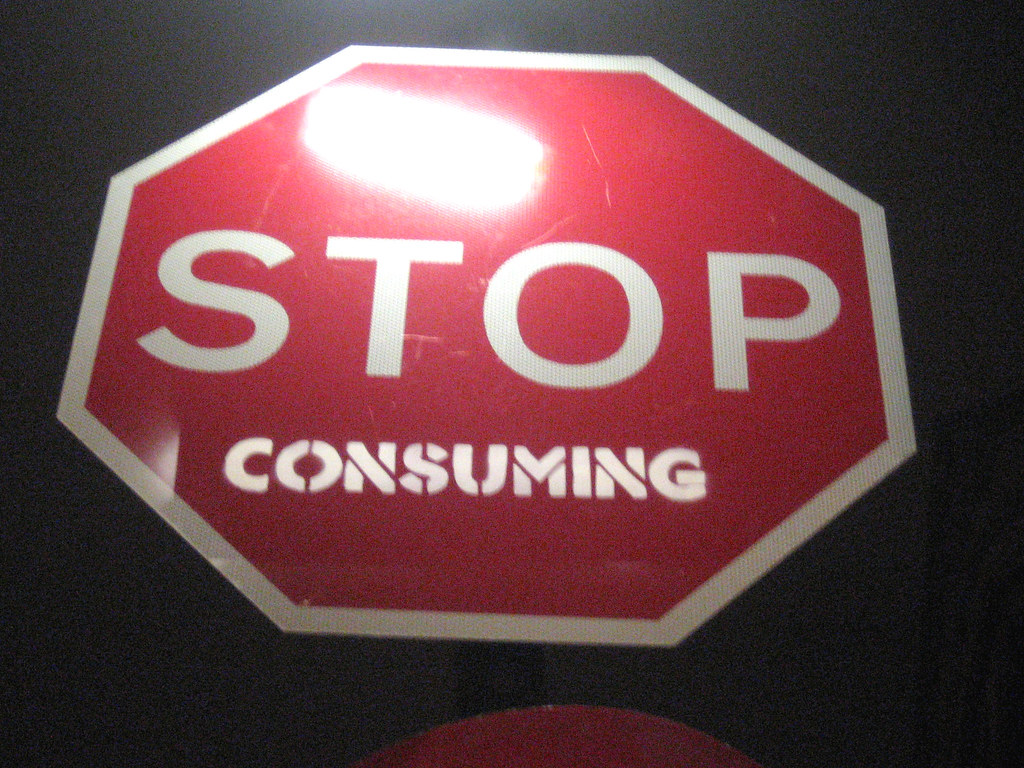
Black Friday has become synonymous with massive consumerism and discounted sales. While it may seem like a harmless day to snag a good deal, the cultural and environmental impact of this shopping event is far-reaching and troubling. Here’s why it’s crucial to reconsider Black Friday consumption habits and why we should aim to stop participating in the frenzy:
1. Environmental Impact of Overconsumption
One of the most pressing concerns about Black Friday is the sheer environmental cost of the excessive consumerism.
- Resource Depletion:
The products on sale, particularly electronics and fast fashion, are often made with materials that are not sustainably sourced. The demand for cheap goods leads to overproduction, which depletes natural resources such as metals, water, and energy. - Waste Accumulation:
Black Friday’s overconsumption often results in a massive increase in waste. Packaging materials, plastic, and discarded products contribute to landfills. Items purchased impulsively often end up being discarded shortly after, exacerbating the problem of e-waste and fast fashion waste. - Carbon Footprint:
The manufacturing, transportation, and delivery of products during Black Friday create significant carbon emissions. Shipping large quantities of products across the globe contributes to air pollution and climate change.
2. Ethical and Social Implications of Black Friday
Many Black Friday sales are made possible through exploitative labor practices. For consumers to access deep discounts, the companies selling goods are often relying on low-wage workers, poor working conditions, and unethical supply chains.
- Labor Exploitation:
Workers in factories, warehouses, and retail stores often endure long hours, unsafe working conditions, and inadequate wages to meet the demand for cheap products. The focus on low-cost items encourages companies to cut costs by exploiting vulnerable workers in developing countries. - Consumerism Over Well-being:
The societal focus on buying material goods during Black Friday promotes a culture of excess rather than sustainability and well-being. This mindset leads to mental health issues such as stress, anxiety, and feelings of inadequacy as people become driven by the need to acquire more and more, often at the expense of their true needs or happiness.
3. The Detrimental Impact on Our Mental Health
The emphasis on consumerism and the race for bargains during Black Friday can take a toll on mental health:
- Stress and Pressure:
The “deal or miss out” mentality during Black Friday leads to impulsive purchasing, with consumers feeling pressure to buy products they don’t need. This creates anxiety and guilt, especially when people realize that many of the items they bought will not add lasting value to their lives. - Unrealistic Expectations:
Black Friday sales promote a sense of urgency and a “must-buy” mentality. This distorted view of consumption encourages unrealistic expectations of happiness through material goods, which can lead to feelings of disappointment or regret once the temporary thrill of purchasing fades.
4. Supporting Sustainable and Ethical Alternatives
Rather than falling into the cycle of rampant consumption on Black Friday, we should prioritize supporting sustainable and ethical alternatives:
- Buy Local:
Supporting small businesses, local artisans, and ethical companies can promote sustainability and fair trade. These businesses are often more committed to ethical labor practices and environmentally conscious production methods, offering an alternative to the mass-produced goods on sale during Black Friday. - Shift Towards Experience-Based Gifts:
Instead of accumulating more stuff, focus on experiences—such as giving time, creativity, or creating memories. Experience-based gifts are far less harmful to the environment, and they tend to have a lasting impact on well-being rather than short-lived material possessions. - Focus on Conscious Consumption:
Being mindful of what we purchase is a powerful way to reduce overconsumption. Ask yourself if the item is truly needed, if it aligns with personal values, and if it’s made sustainably. Supporting companies that prioritize ethical manufacturing, fair wages, and environmental protection can make a real difference.
5. The Long-Term Vision: A Shift in Consumer Culture
Stopping consumption on Black Friday is about more than just avoiding one day of shopping. It’s part of a larger movement to shift away from an unsustainable and harmful consumer culture.
- Collective Action:
If a significant number of people consciously choose to step away from Black Friday consumption, it could signal to retailers and corporations that the demand for sustainable, ethical products is growing. The collective actions of many can drive change in how companies operate, encouraging them to prioritize environmental and social responsibility. - Redefining Value:
By rejecting the pressure to consume, we start to redefine what truly adds value to our lives. The real value lies not in accumulating more things, but in nurturing relationships, protecting the planet, and fostering personal growth.
Conclusion: Let’s Reclaim the Holiday Spirit
Black Friday has come to symbolize overconsumption, environmental harm, and societal pressure to accumulate material goods. Instead of feeding into this cycle, we should take a step back and prioritize conscious consumption. By refraining from participating in Black Friday, we can help reduce the negative impacts on our planet and its people, promote mental well-being, and support ethical, sustainable alternatives. It’s time to reclaim the true meaning of the holiday season—connection, kindness, and care for the world we share.
 Message From One