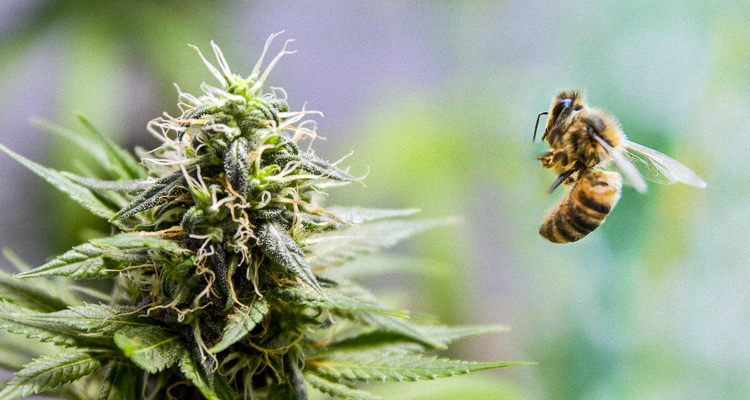
Planting More Hemp Could Help Maintain Bee Populations: A Critical Environmental Solution
As environmental degradation continues to threaten biodiversity worldwide, the plight of pollinators—particularly bees—has emerged as a significant concern. Bees play a crucial role in pollination, responsible for the growth of many crops and the sustenance of ecosystems. However, bee populations have been in sharp decline due to factors such as pesticide use, habitat loss, climate change, and monoculture farming. In this context, planting more hemp presents a promising, and often overlooked, solution to help maintain and even revive bee populations. Here’s a detailed look at why and how hemp cultivation could significantly support these vital pollinators:
1. Hemp as a Pollinator-Friendly Crop
While hemp is often regarded primarily for its industrial and environmental benefits, it is also a bee-friendly crop with significant potential to support pollinator populations. Hemp flowers, which bloom from mid-summer to fall, provide an essential food source for bees and other pollinators at a critical time of year when other wildflowers may be scarce.
- Prolonged Flowering Period:
Hemp flowers bloom later in the growing season, providing a continuous and reliable nectar source when other food supplies may be limited. This extended bloom period can help ensure that bees have access to food at critical times, supporting their survival and productivity. - Nectar and Pollen Richness:
Hemp flowers are rich in both nectar and pollen, which are essential for bee nutrition. This makes hemp a valuable crop in areas where monocultures or pesticide-heavy farming practices have depleted diverse forage options for bees.
2. Hemp’s Role in Diversifying Agricultural Landscapes
In many regions, large monocultures of single crops (such as corn, soy, and wheat) have replaced diverse ecosystems, leading to the destruction of natural habitats that bees rely on. The introduction of hemp into agricultural landscapes offers a diverse, low-impact alternative to traditional monoculture crops.
- Biodiversity Enhancement:
Hemp fields offer a natural refuge for pollinators in landscapes dominated by monocultures. The variety of plants and crops grown alongside hemp creates a more diverse and resilient environment, improving the health of local ecosystems. - Reduction in Pesticide Use:
Hemp is naturally resistant to many pests, reducing the need for chemical pesticides, which are a major contributor to bee population decline. By adopting hemp farming, the reliance on harmful chemicals in agriculture could decrease, allowing bees to thrive in less-toxic environments.
3. Hemp’s Minimal Environmental Footprint
Hemp cultivation has a significantly lower environmental impact than many other agricultural practices. Unlike crops that require heavy pesticide use or intensive irrigation, hemp is a hardy and low-maintenance plant that grows with minimal intervention. This makes it particularly attractive as a pollinator-friendly crop.
- Reduced Chemical Exposure:
Hemp’s ability to thrive without the need for extensive chemical treatments means that pollinators in hemp fields are less likely to encounter harmful substances. This is especially crucial in counteracting the negative impacts of neonicotinoids and other pesticides, which have been linked to colony collapse disorder in bees. - Sustainable Agricultural Practices:
Hemp is a highly sustainable crop, requiring little water, and it grows quickly without depleting the soil. Its cultivation could help replace more environmentally damaging practices and offer farmers a sustainable crop that simultaneously benefits bees and other pollinators.
4. Hemp’s Role in Restoring Pollinator Habitats
The restoration of pollinator habitats is critical to the survival of bees. By integrating hemp into farming systems, it is possible to create pollinator corridors—large areas of continuous floral resources—that connect fragmented ecosystems. This can be especially valuable in regions where natural habitats have been lost due to urbanization or agricultural expansion.
- Ecosystem Restoration:
Hemp can be planted as part of agroforestry systems, providing both a cash crop for farmers and a habitat for pollinators. By strategically planting hemp along borders of farmlands, roadsides, or degraded areas, we can restore vital corridors for bee movement and foraging. - Habitat Connectivity:
The establishment of hemp as a crop in diverse landscapes can help improve habitat connectivity for bees, enabling them to move freely across different habitats, increasing their chances of survival, and enhancing pollination services across a larger area.
5. Hemp’s Potential to Support Agricultural Resilience
Farmers who incorporate hemp into their cropping systems can benefit from a healthier ecosystem overall. This is due to hemp’s ability to enrich the soil, attract beneficial insects, and reduce the need for chemical inputs. More diverse farming systems make landscapes more resilient to pests, diseases, and extreme weather events, which can, in turn, help stabilize bee populations.
- Soil Health and Pest Control:
Hemp acts as a natural soil builder by increasing organic matter, improving soil structure, and enhancing water retention. It also attracts beneficial insects that can help control pest populations, reducing the need for pesticides that harm bees. - Climate Change Mitigation:
Hemp’s rapid growth rate allows it to sequester carbon dioxide, helping mitigate some of the effects of climate change. As climate change becomes an increasingly significant threat to pollinators, incorporating hemp into agricultural systems may offer a strategic way to reduce the impact of extreme weather events on bee populations.
6. Economic and Ecological Benefits of Hemp for Farmers
In addition to its benefits for bee populations, hemp farming can provide economic incentives for farmers. With the increasing demand for hemp-based products such as textiles, biodegradable plastics, and health supplements, hemp presents an economically viable crop that can support pollinator populations while also boosting the agricultural economy.
- Diversification of Income Streams:
Farmers who grow hemp can tap into emerging markets while benefiting from the crop’s positive environmental effects. Hemp’s profitability could encourage more farmers to adopt bee-friendly practices and invest in sustainable farming methods. - Market Demand for Eco-Friendly Products:
As consumers increasingly demand eco-friendly and sustainable products, the market for hemp-derived goods continues to grow. By promoting hemp as a pollinator-friendly crop, both farmers and consumers can benefit from the positive ecological impacts of its cultivation.
Conclusion
Planting more hemp is not just an agricultural or economic decision—it is an urgent environmental action. The introduction and expansion of hemp farming can significantly contribute to maintaining and even revitalizing bee populations. By fostering pollinator-friendly landscapes, reducing chemical use, and supporting biodiversity, hemp presents a powerful tool in the global effort to protect bees and other pollinators, whose survival is essential to food production and ecological balance. As we seek solutions to environmental challenges, incorporating hemp into agricultural systems could be a step toward a more sustainable and harmonious relationship between agriculture, pollinators, and the planet as a whole.
 Message From One