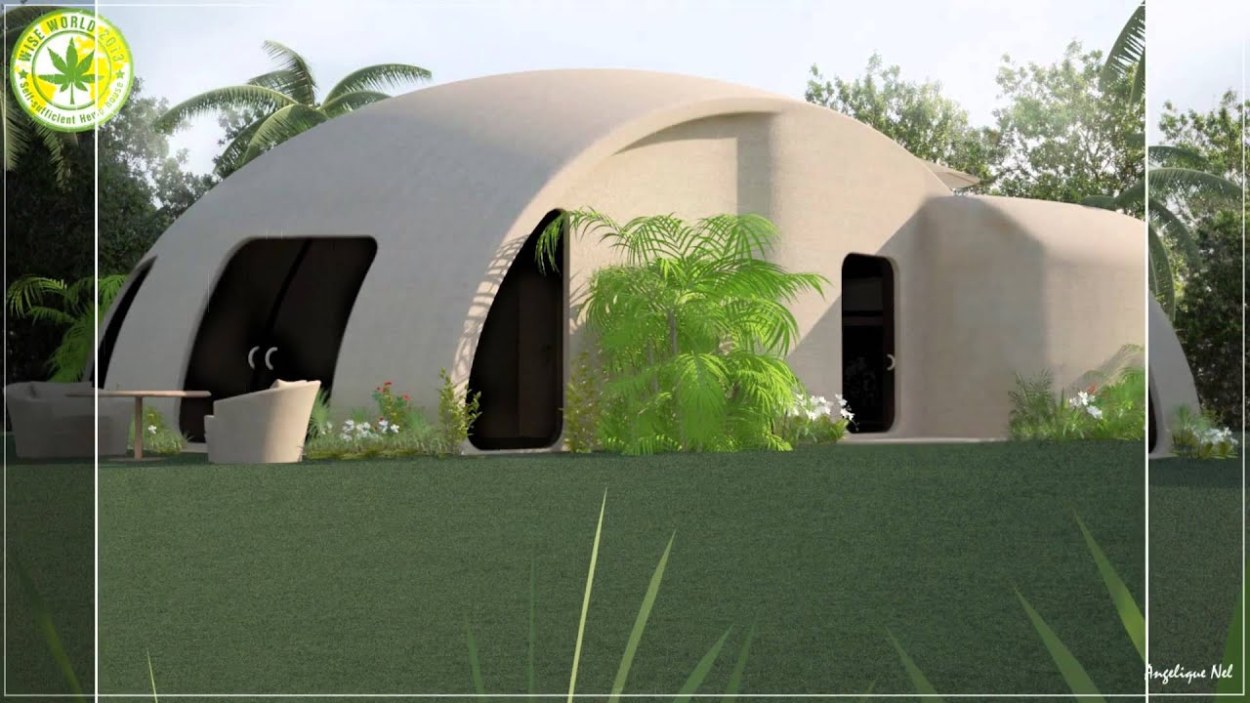
Governments should consider using 3D-printed hemp houses as a sustainable and practical solution to address multiple challenges, including housing shortages, climate change, and resource management. Here’s why this innovative approach makes sense:
1. Sustainability and Environmental Benefits
- Carbon Sequestration: Hemp absorbs large amounts of CO₂ during its growth, making hemp-based materials carbon-negative. Using hemp for construction helps reduce overall greenhouse gas emissions.
- Reduced Waste: 3D printing with hempcrete produces minimal construction waste compared to traditional building methods. The precision of 3D printing ensures materials are used efficiently.
- Biodegradability: Hempcrete is a natural, non-toxic material that decomposes safely at the end of its life cycle, unlike conventional construction materials.
2. Cost-Effective Housing Solutions
- Affordable Materials: Hemp is inexpensive to cultivate and requires fewer resources like water and pesticides compared to other crops.
- Reduced Construction Costs: 3D printing accelerates the building process, cutting down on labor costs and time spent on site.
- Energy Efficiency: Hempcrete provides excellent insulation, reducing energy bills for heating and cooling, which benefits homeowners and the environment.
3. Speed and Scalability
- Rapid Construction: 3D printing can construct homes in days instead of months, addressing housing shortages quickly and efficiently.
- Scalable for Mass Housing: Governments can implement large-scale projects using 3D-printed hemp houses, making them suitable for disaster relief, low-income housing, or urban expansion.
4. Healthier Living Environments
- Non-Toxic Materials: Hempcrete doesn’t release harmful chemicals, improving indoor air quality and promoting healthier living conditions.
- Moisture Regulation: Hempcrete naturally regulates humidity, preventing mold and dampness, which are common issues in poorly constructed housing.
5. Climate Resilience
- Durable and Flexible: Hempcrete is highly resistant to fire, pests, and mold, making it a robust material for diverse climates.
- Disaster Recovery: Hemp houses can be a practical solution for rebuilding after natural disasters due to their affordability and speed of construction.
6. Economic and Social Benefits
- Boosting Local Economies: Hemp farming and 3D printing initiatives create jobs in agriculture, manufacturing, and construction.
- Energy Independence: By using renewable hemp materials, communities become less dependent on traditional energy-intensive building resources.
- Addressing Housing Inequality: Low-cost, rapidly deployable housing can help governments provide homes for low-income families, reducing homelessness and improving social stability.
7. Legal and Policy Advantages
- Supporting Hemp Industry: Encouraging the use of industrial hemp promotes the growth of a sustainable agricultural sector.
- Alignment with Climate Goals: Hemp-based construction helps nations meet carbon reduction targets and supports green building standards.
Conclusion
3D-printed hemp houses offer a visionary solution to modern challenges. They are eco-friendly, cost-effective, and scalable, making them an ideal choice for governments aiming to address housing crises while promoting sustainability and innovation. By investing in hemp-based construction, governments can lead the way in creating a greener and more equitable future.
 Message From One