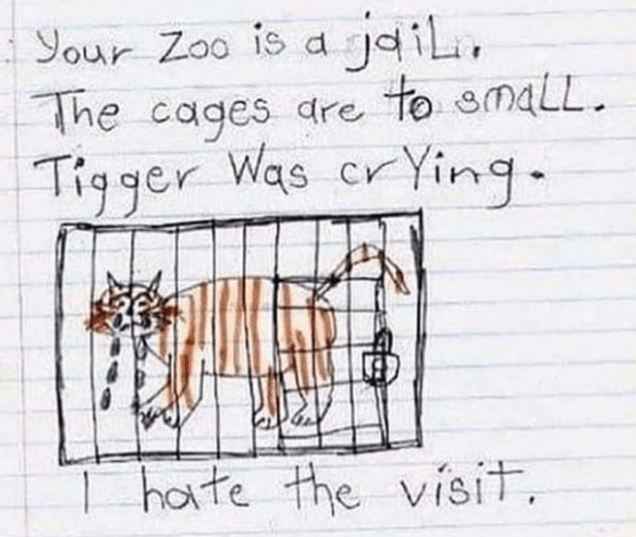
Let’s boycot those terrible zoo’s !
Why Zoos Should Be Dismissed: A Compassionate Perspective
While zoos were once seen as places of education and entertainment, growing awareness of animal welfare and conservation has led many to question their ethical and practical value. Here’s why zoos should be reconsidered and why it’s better not to visit them anymore:
1. Animals Suffer in Captivity
- Lack of Space: Most zoos cannot provide the vast, natural habitats that animals need. For example, elephants in the wild roam hundreds of miles, but in zoos, they’re often confined to small enclosures.
- Mental Distress: Captivity leads to zoochosis, a condition where animals display repetitive behaviors like pacing, swaying, or biting bars. These behaviors show frustration and stress.
- Shorter Lifespans: Some animals, such as orcas and elephants, tend to live shorter, less healthy lives in captivity compared to the wild.
2. Limited Conservation Value
- False Conservation Claims: Zoos often argue they protect endangered species, but in reality, only a small percentage of zoo animals are part of legitimate conservation programs. Most are bred for display, not for release into the wild.
- Poor Reintroduction Success: Animals raised in captivity often struggle to survive in the wild due to a lack of survival skills.
- Focus on Popular Animals: Zoos prioritize “crowd-pleasing” species rather than lesser-known endangered animals that may need more urgent help.
3. Exploitation for Profit
- Entertainment Over Education: Despite claims of educational value, many zoos focus on entertainment, such as animal shows or photo opportunities, rather than meaningful education.
- Breeding for Attraction: Zoos breed animals to attract visitors, not to support conservation efforts. Baby animals are used to boost attendance but often face uncertain futures when they grow up.
4. Ethical Alternatives Exist
- Sanctuaries: Unlike zoos, sanctuaries provide rescued animals with spacious, natural habitats and prioritize their well-being over entertainment.
- Virtual Safaris and Documentaries: Modern technology allows people to experience wildlife up close without harming animals, offering immersive, educational experiences through films and virtual reality.
- Support Wild Conservation: By donating to conservation organizations or visiting national parks, you can help protect animals in their natural habitats.
5. We Don’t Own Wildlife
Animals are sentient beings with their own needs and instincts. Keeping them in captivity for human amusement denies them the freedom to live as they were meant to—in the wild.
- Imagine being confined to a small room for your entire life. This is the reality for countless zoo animals.
- As humans, we have a moral responsibility to treat animals with respect and let them thrive in their natural environments.
The Bigger Picture
Ending zoos is not just about individual animals; it’s about reshaping our relationship with nature. Protecting wild habitats and reducing human interference are far more effective ways to support wildlife.
Conclusion
Visiting zoos perpetuates a system of exploitation and confinement. Instead of supporting zoos, choose ethical alternatives that prioritize animal welfare and conservation. By saying no to zoos, you take a stand for a future where animals can live freely and humans can admire them in ways that truly respect their dignity.
 Message From One