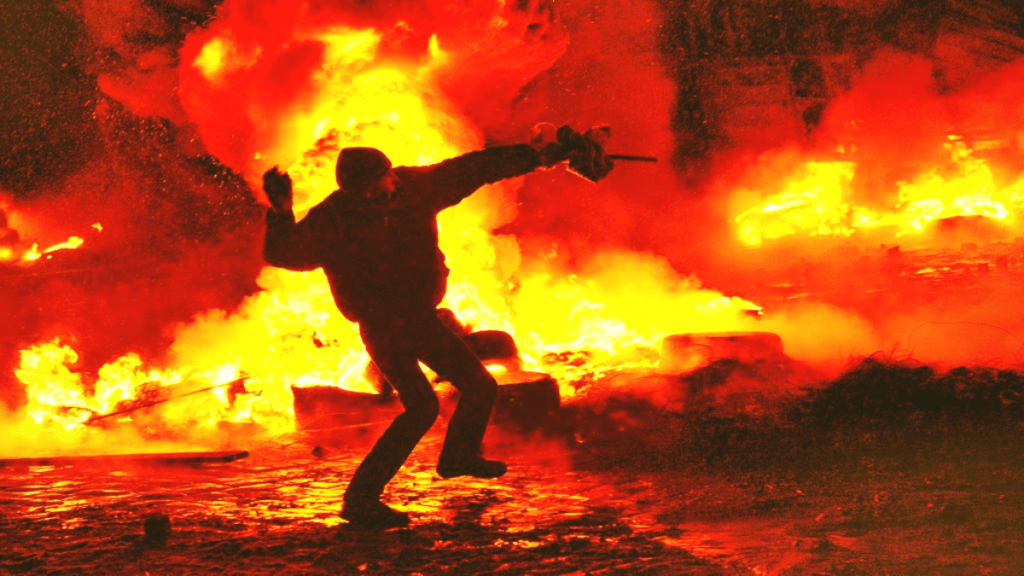
Rioting and Hired Troublemakers: Understanding the Phenomenon
Riots, in their purest form, are often a response to societal grievances or perceived injustices. However, history and investigative reports show that hired troublemakers can sometimes infiltrate protests or even instigate riots for specific agendas. These actors are paid or incentivized to disrupt, escalate violence, or shift public perception about a cause or group.
Here’s an in-depth look at this phenomenon:
What Are Hired Troublemakers?
Hired troublemakers are individuals or groups brought in to:
- Discredit legitimate movements by engaging in violence, vandalism, or other unlawful acts.
- Divert attention from the original cause of a protest or riot.
- Create chaos to justify heavy-handed responses, such as increased policing or military intervention.
- Serve the interests of third parties, such as governments, corporations, or extremist groups.
How They Operate
Hired troublemakers often use these tactics:
- Provoking Violence: Throwing objects at police, setting fires, or damaging property to escalate tensions.
- Infiltration: Blending into peaceful protests and inciting aggressive actions, making it seem as though the entire group is violent.
- Sabotage: Destroying businesses or public property to turn public opinion against the protestors.
- Misinformation: Disseminating false narratives about the protest’s intentions or actions.
Examples in History
- The Black Lives Matter (BLM) Protests (2020)
- During the BLM protests in the United States, there were reports of individuals unrelated to the movement engaging in looting and arson. Some witnesses claimed that provocateurs acted to make the peaceful protesters appear violent.
- In one viral incident, a man dressed in black and carrying an umbrella (dubbed “Umbrella Man”) was caught on video breaking windows. Authorities later alleged that he was linked to a white supremacist group aiming to escalate tensions.
- Hong Kong Protests (2019-2020)
- Protests against the extradition bill saw suspected provocateurs escalate violence. Some reports alleged that hired troublemakers sought to justify crackdowns by portraying protestors as dangerous extremists.
- May Day Protests in France (2018)
- During the labor movement demonstrations, anarchist groups known as “black blocs” infiltrated the protests, clashing with police and causing significant property damage. While some members acted independently, reports suggested that others may have been strategically placed to provoke violence.
- Civil Rights Movement in the U.S. (1960s)
- During peaceful marches, infiltrators were reportedly sent by opposing organizations or law enforcement agencies to incite violence, providing authorities with a pretext for breaking up the protests.
Why Are Hired Troublemakers Used?
- Undermine Movements: Discrediting protests shifts public opinion, often weakening support for the cause.
- Instill Fear: Violence creates fear, reducing participation in protests and reinforcing the status quo.
- Justify Crackdowns: Governments or authorities can use violence as an excuse to impose stricter measures, such as curfews, mass arrests, or military deployment.
- Profit Motive: Corporations or lobby groups may sponsor chaos to protect their interests, such as derailing environmental protests that threaten their business.
Impact of Hired Troublemakers
- Damage to Legitimate Causes: The public may associate peaceful movements with violence, reducing their credibility.
- Escalation of Violence: Their actions can lead to more severe clashes between protestors and law enforcement.
- Misinformation: Media coverage often amplifies the chaos, focusing on destruction rather than the root cause of protests.
How to Counteract This?
- Awareness and Training: Protest organizers can educate participants on spotting provocateurs and de-escalating situations.
- Document Everything: Encourage the use of smartphones to record incidents, which can help identify individuals not aligned with the movement.
- Clear Messaging: Distinguish the movement’s goals and condemn any acts of violence to maintain public trust.
- Collaboration with Authorities: In some cases, liaising with law enforcement can help identify and remove bad actors.
Conclusion
Riots often arise from genuine grievances, but the involvement of hired troublemakers complicates the narrative, making it harder for authentic movements to achieve their goals. Understanding how provocateurs operate is critical for protestors, authorities, and the public to distinguish between legitimate activism and deliberate attempts to sow discord.
This phenomenon reminds us to approach such events with a critical eye and to seek the truth beyond the surface chaos.
 Message From One