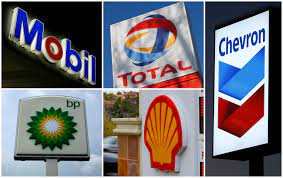
The environmental devastation we face today is not an accident—it’s the result of deliberate decisions by some of the largest and most powerful corporations on Earth. Companies like ExxonMobil, Royal Dutch Shell, BP, Chevron Corporation, ConocoPhillips, and Total S.A. have prioritized profits over the health of the planet and its inhabitants. For decades, they’ve extracted, processed, and burned fossil fuels, releasing billions of tons of carbon dioxide and other harmful pollutants into the atmosphere, contributing directly to climate change, deforestation, and the poisoning of ecosystems.
These corporations hold enormous resources and technological capabilities, yet they persist in exploiting fossil fuels instead of spearheading solutions to the very problems they’ve created. They should be leading the charge in developing and deploying advanced air purification systems—technologies capable of capturing greenhouse gases and filtering pollutants from our atmosphere. Instead, they double down on fossil fuel expansion, further accelerating the damage.
What Needs to Change
We cannot rely on these corporations to act out of goodwill. History has shown they respond only to external pressure—whether from legislation, activism, or economic consequences. Governments and global leaders must step in immediately.
- Ban Fossil Fuel Machinery and Vehicles
The first step is to phase out fossil-fuel-powered vehicles and machinery. Transitioning to zero-emission vehicles (electric, hydrogen, or other clean technologies) should be a global priority. Governments must create subsidies for clean energy technologies while imposing heavy penalties on those who continue to use outdated, polluting systems. - Implement Heavy Environmental Taxes
High taxes should be levied on companies and individuals who contribute to emissions. These revenues must be directly invested in:- Research and development of carbon capture and storage (CCS) systems.
- Large-scale air purification systems for cities, industrial areas, and even rural landscapes affected by pollution.
- Mandate Zero Emissions Laws
Every country must legislate zero emissions targets, with clear deadlines that leave no room for delay. This includes not only transport but also industrial sectors, agriculture, and energy production. Strict enforcement mechanisms and international cooperation will be required to ensure compliance. - Transition to Renewable Energy
Instead of continuing to exploit oil, coal, and gas, investments should focus on renewable energy sources—solar, wind, geothermal, and hydroelectric power. These energy systems are clean, sustainable, and already technologically viable.
Why This Is Urgent
The consequences of inaction are catastrophic. Rising global temperatures are already causing:
- Extreme weather events: Hurricanes, wildfires, droughts, and floods are becoming more frequent and severe, destroying lives, homes, and livelihoods.
- Rising sea levels: Coastal cities and islands are at risk of disappearing underwater, displacing millions of people.
- Biodiversity loss: Entire ecosystems are collapsing as species struggle to adapt to rapidly changing climates.
- Economic collapse: The costs of disaster recovery, healthcare, and infrastructure repair will cripple economies if climate change continues unchecked.
Without drastic changes, the very fabric of our societies—our economies, food supplies, and basic safety—will unravel. This is not a distant future; it is happening now.
Where the Responsibility Lies
While individuals have a role to play in reducing their carbon footprints, the primary responsibility lies with corporations and governments. The wealth and power concentrated in the fossil fuel industry must be redirected toward meaningful solutions.
- Corporations: These entities have the expertise and capital to revolutionize energy systems. Instead of drilling for oil, they could lead innovations in renewable energy storage, carbon capture, and global air purification.
- Governments: Through regulation and taxation, governments can force corporations to change course and hold them accountable for their environmental impact. International agreements must go beyond promises and include enforceable penalties for non-compliance.
What Happens If We Don’t Act?
If we fail to act now, we face a future where:
- Global economies collapse under the strain of environmental destruction.
- Millions, if not billions, of people are displaced by rising seas and uninhabitable conditions.
- Food and water shortages become commonplace, leading to social unrest, conflict, and suffering on an unprecedented scale.
- The planet’s ability to support life is irreversibly damaged.
This is not fear-mongering—it is the reality outlined by climate science.
A Call to Action
We must demand immediate action from those in power. Corporations like ExxonMobil and Shell must shift their priorities from profit to survival—our survival. Governments must legislate for a zero-emissions future and invest in planet-saving technologies.
It’s time to take a stand.
- Stop driving fossil fuel vehicles.
- Demand accountability from polluting corporations.
- Insist on policies that fund air purification and renewable energy systems.
Together, we can chart a course toward a sustainable future. But we must act now—the clock is ticking.
 Message From One