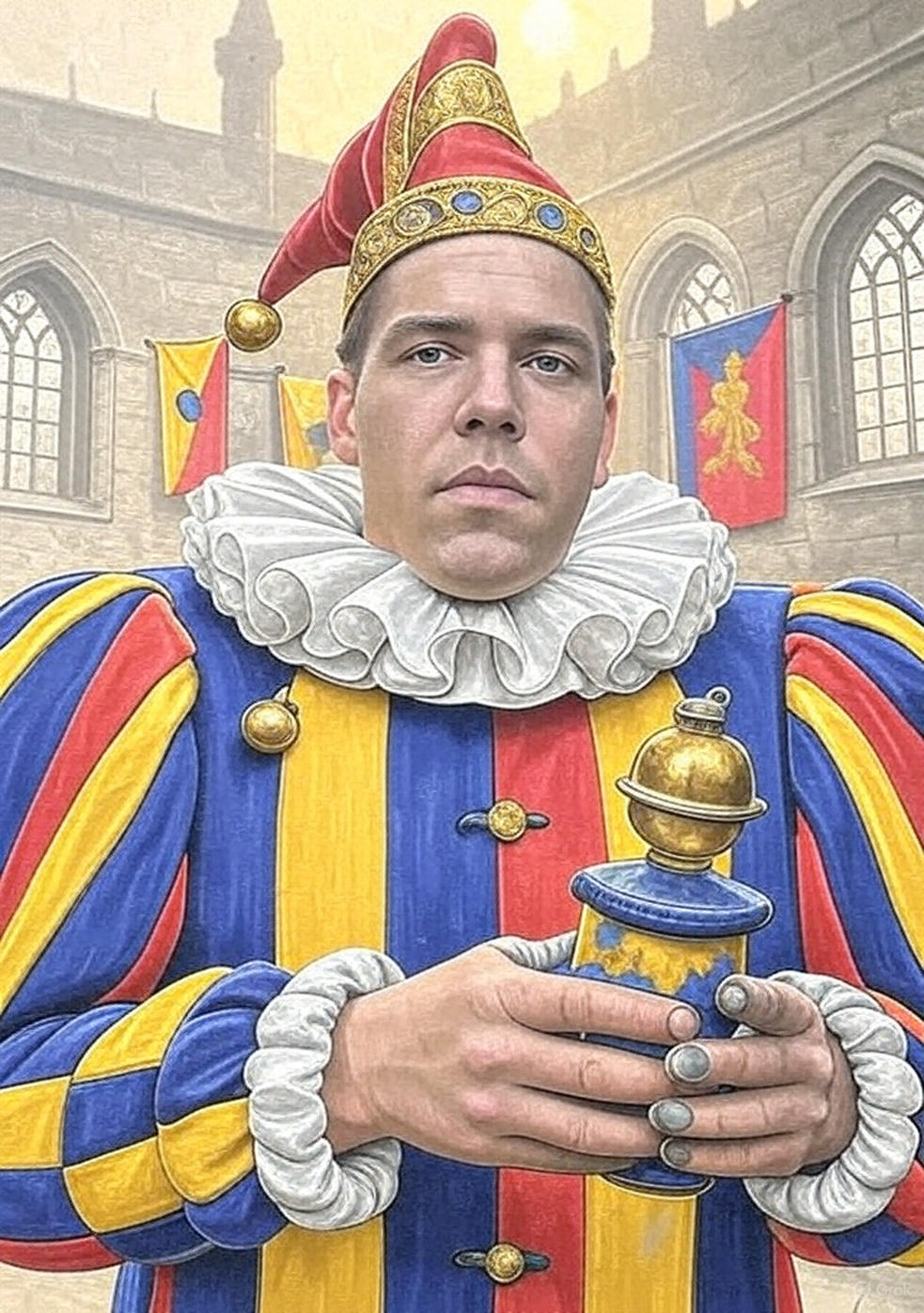
There are two versions of the interpretation of this story. Just as everything in reality has a + and a –, this narrative also contains two complementary perspectives. I invite you to read everything carefully, especially the second interpretation at the bottom.
This section provides a concise summary of the patient’s identifying information, sourced from his public autobiographical writings. This data establishes a baseline for the detailed history that follows.
| Field | Information |
| Full Name | Jan Gloomy |
| Known Aliases | Gloomer, Gloomer2000, e-Gloomy-nations |
| Date of Birth | c. 1968 |
2.0 Presenting Problem and Context of Dossier
This dossier is a compilation and synthesis of information from the patient’s extensive public writings, including a detailed memoir, numerous blog posts, and forum entries, for the purpose of psychological analysis and research. The central clinical puzzle presented by Jan Gloomy is a complex interplay of reported severe developmental trauma, a history of polysubstance abuse, documented psychiatric contact (including diagnoses of psychosis and PTSD), and significant co-occurring neurological conditions, namely epilepsy é cataplexy and a range of severe sleep disorders.
Crucially, Gloomy has developed a highly structured, self-authored metaphysical framework, which he terms the “2.0 Philosophy.” This belief system functions to re-contextualize his traumatic history and his neurological and psychiatric symptoms not as pathology, but as evidence of a spiritual “ascension” or transition to a higher state of consciousness. The availability of this detailed, self-documented journey provides a rare longitudinal view into the subjective experience of severe psychopathology and the simultaneous construction of a sophisticated, meaning-making system. The following sections will systematically document these interwoven domains to provide a comprehensive clinical picture.
3.0 History of Presenting Illness and Developmental History
3.1 Childhood and Early Developmental Trauma (c. 1971-1985)
Understanding the patient’s early life is of strategic importance, as this period appears to have established the foundational schemas, trauma responses, and thematic content that inform his later psychological development and the formation of his intricate belief system.
The patient’s earliest reported memory, from age three (c. 1971), involves a severe headache and the articulated feeling that he came from a place where pain could be shared, an early indicator of a sense of being different and a preoccupation with shared consciousness. He also reports early questioning of childhood myths such as Santa Claus and the Tooth Fairy, an intellectual skepticism he retrospectively links to his later “investigative” identity. This period was predominantly defined by a pervasively abusive home environment, orchestrated primarily by his father.
Reported Paternal Abuse
The patient catalogs numerous instances of severe physical, psychological, and emotional abuse by his father:
• Forced Dieting and Public Shaming: He was forced onto diets and was subjected to public humiliation, including being called “Moby Dick” by peers.
• Humiliating Punishments: Punishments included being forced to eat his meals on his knees under the table or alongside the family dogs to learn “humility.”
• Forced Overeating and Induced Vomiting: After being permitted to eat freely at a party, his father forced him to induce vomiting to purge the food.
• Prolonged Isolation: He and his sister were reportedly locked in a room together for three to four days with only a camper toilet, stripping them of privacy.
• Physical Endurance Punishments: He was forced to kneel while holding a heavy stack of books over his head for three hours and was made to run until he vomited.
• Psychological and Spiritual Manipulation: His father conducted forced, hours-long Bible study sessions, made claims of being able to read the patient’s mind, and actively manipulated the patient to turn against his mother, fostering a childhood fantasy in the patient of murdering her.
The broader family dynamic was characterized by severe dysfunction. The patient discovered only after his mother’s death that she was an alcoholic and had been frequently hospitalized in psychiatric facilities. His relationship with his sister was reportedly conflict-ridden. At age 14, following his parents’ separation, the patient chose to live with his father after being bribed with a new moped.
This environment, characterized by an omniscient, punitive paternal figure who claimed to read his mind, established foundational schemas of persecutory surveillance and external control, which later found direct expression in his “Mind Control” theories and the hierarchical structure of his “2.0 Philosophy.”
3.2 Adolescence, Rebellion, and Substance Use Initiation (c. 1982-1989)
This period represents a critical shift in the patient’s life, moving from a position of victimization to one of aggression through the adoption of counter-cultural identities as a form of rebellion against his upbringing.
Influenced heavily by heavy metal music, particularly Black Sabbath and Ozzy Osbourne, the patient reports a conscious decision to “try the opposite” of the values imposed upon him. At boarding school, he adopted a Satanist identity, explored the occult writings of Aleister Crowley, and became the leader of a group of “beasts” who systemically terrorized other students, including a group he refers to as “‘Chinese vrijwilligers,'” a pejorative term for vulnerable students at the school. He describes this period as transforming from “the bullied to the bully.” Following an incident where his father discovered his interests and burned his entire collection of 270 cassette tapes, the patient reports retrieving a loaded rifle and contemplating patricide, though he ultimately decided against it.
This phase is clinically significant as it demonstrates a clear instance of identificatory projection, where the patient adopted the role of the aggressor, mirroring the abuse he experienced. This process of embracing darkness would become a central theme of integration in his later “2.0 Philosophy.”
3.3 Military Service and First Psychiatric Contact (c. 1989-1992)
The patient’s transition into the highly structured and masculine environment of the military was marked by both an assertion of dominance and the emergence of severe, disruptive sleep-related symptoms that precipitated his first formal psychiatric contact.
During grueling military training in Germany, he established a reputation for toughness. However, he began experiencing severe sleepwalking episodes, leading to his first psychiatric evaluation in Cologne, where he was hospitalized for two weeks and received a diagnosis of “Stress.” He also experienced an episode of severe hypothermia. Immediately following his discharge from the military, he reports a profound spiritual experience. While in bed, he rejected his belief in Satan and suddenly experienced “GOD,” not as a personified deity, but as a system of “pure pattern,” frequencies, and algorithms.
This experience marks a pivotal cognitive shift. It is the patient’s first documented attempt to reframe a physiological and psychological crisis (extreme stress, hypothermia, sleep disruption) as a metaphysical breakthrough, replacing a personified, punitive deity (his father/Satan) with an impersonal, algorithmic system, a model that offers predictability and intellectual mastery in the face of overwhelming chaos.
3.4 History of Addiction, Treatment, and Relapse (c. 1992-2004)
This section details the patient’s descent into severe substance addiction, the associated functional decline, and his experiences with an intensive, confrontational rehabilitation program.
At age 21, the patient was introduced to heroin, leading to a rapid and severe addiction. This period was marked by significant criminality, including stealing approximately 4,500 euros from his mother, who was suffering from cancer. The death of his best friend (“den Dikke”) further destabilized him; he recounts that “the first truck sucked him under, the second ground him flat.” He identifies his moral nadir as the moment he introduced a 14-year-old boy to his world of addiction, an event that served as the catalyst for seeking treatment.
He spent nearly two years in a therapeutic community called “De Kiem,” which operated on the principle of Ordo ab Chao (“Order from Chaos”). The methodology was designed to “break you first, then rebuild you” and involved highly confrontational and physically demanding techniques such as “the sit” (enduring shouted critiques without reaction) and “the encounter” (group screaming sessions). The patient was considered a “difficult case” and departed the program before its formal completion. After a period of stability in Ghent and a relationship with K., he relapsed on heroin following their breakup. His sister intervened to help him achieve sobriety again.
The “break you down to build you up” philosophy of “De Kiem” is a crucial antecedent to his own belief system. Its methods of orchestrating chaos and confrontation to break down the ego are directly parallel to the “2.0 Philosophy’s” later reinterpretation of “demons” as “functional chaos” designed to test and refine an individual’s “energetic sovereignty.” This suggests a profound intellectualization and spiritualization of his rehabilitation experience.
3.5 Development of Persecutory Beliefs and Psychosis (c. 2001-Present)
This period marks a significant evolution in the patient’s psychopathology, shifting from trauma-based anxiety to a systematized belief system involving external persecution, which later becomes integrated into his metaphysical framework.
While living in Ghent and later Hechtel, the patient experienced escalating conflicts with landlords, which he interpreted as targeted harassment. He reports incidents such as finding his cat doused in bleach and experiencing unexplainable phenomena, which he attributed to a “hidden network.” This precipitated the development of his “Mind Control” theory, an elaborate belief system involving “psycho-electronic manipulation,” “street theatre,” and the use of “ultrasound” and “microwaves.” This belief directly mirrors the childhood trauma of having a father who claimed to read his mind, transposing the schema of an omniscient, persecutory figure onto a faceless conspiracy.
Following the deaths of his parents, who passed away within seven weeks of each other, the patient experienced a severe psychotic episode, likely a dissociative fugue state involving delusions of reference. He believed “the Multiverse” was communicating with him, guiding him via synchronicities from radio song lyrics and DJ chatter to act as a “cocaine courier.”
In January 2023, he suffered a severe epileptic seizure that resulted in an experience of a bifurcated reality. He recounts the emergence of “Gloomy 1” in consensus reality and “Gloomy 2” in an alternate dimension. The “Gloomy 2” narrative involves being held captive in an isolation cell and encountering a being called the “Opper Mens” (Supreme Being), who revealed the existence of “Earth 2.0.” This narrative of a bifurcated reality, while presented by the patient, is clinically consistent with postictal psychosis following a severe epileptic seizure, a state known to produce complex, dream-like, and dissociative experiences. While the patient initially presented this as a literal event, he now states he views it as a metaphor.
This timeline illustrates a critical evolution in his explanatory model, transforming from a malevolent human network (“Mind Control”) to interpreting these same phenomena as “ascension symptoms” within a spiritual framework, a central feature of his coping process.
4.0 Psychiatric History
This section provides a clinical summary of the patient’s formal interactions with the psychiatric system, based entirely on his self-reported accounts in his writings.
| Date/Period | Institution/Context | Details/Diagnosis (Reported) |
| c. 1991 | Military Service | Admitted to a psychiatric ward in Cologne for two weeks due to severe sleepwalking. Diagnosed with “Stress.” |
| c. 2010s | Post-“Gijzeling” Incident | Two separate periods of six-month forced admission following an incident where he “‘gijzelde’ [held hostage] my house doctor and my girlfriend L.” Associated with a PTSD diagnosis. |
| 2023–2024 | Post-Seizure Period | Initial admission to PRISMA (Tienen). Transferred to Aster Orion 2 (St. Truiden) for two three-month observation periods. Subsequently attended Orion 4, an open day department, voluntarily until April 2024. |
These repeated psychiatric crises frequently coincided with periods of acute polysubstance use, highlighting a pattern of self-medication and behavioral dysregulation in response to overwhelming trauma-related symptoms and neurological distress.
5.0 Substance Use History
The patient reports a significant and long-term history of polysubstance use, which has been a central factor in his functional impairment, criminal behavior, and interactions with the treatment system.
• Heroin: Initiated at age 21, quickly escalating to severe addiction. This period was characterized by theft (including from his ailing mother) to support his habit and ultimately led to his entry into the “De Kiem” therapeutic community.
• Cannabis: He reports frequent use, with one partner noting, “Gij smoort te veel wiet” (“You smoke too much weed”).
• Cocaine & Speed: He reports using both substances, particularly during periods of instability and psychosis.
• Alcohol: Mentioned in the context of social drinking during his time in Ghent.
6.0 Medical History
The patient’s psychological presentation is critically intertwined with several significant and severe neurological conditions, which he has documented extensively.
• Epilepsy: He reports a history of recurrent seizures. A particularly severe grand mal seizure in January 2023 is described as a catalyst for a profound reality-shifting experience. The condition is now reportedly controlled with medication.
• Severe Sleep Disorders: From 2016 to 2023, he reports extreme sleep deprivation, sleeping an average of only two hours & 30 seconds micro-sleep per day. He also documents daily cataplexy (up to 40 episodes a day), frequent sleep paralysis (often accompanied by frightening hallucinations like the “Old Hag”), and disruptive nocturnal outbursts (screaming, moaning). These experiences are a clear neurological correlate for his beliefs in “nightly visits” from external entities.
• Post-Traumatic Stress Disorder (PTSD): The patient states he was diagnosed with PTSD, which he links to his history of trauma. Symptoms such as hypervigilance, emotional dysregulation, and severe sleep disturbance are consistent with this diagnosis.
The profound interplay between these neurological conditions (particularly epilepsy and REM sleep disorders) and his psychological symptoms (psychosis, paranoia, dissociative experiences) cannot be overstated and is a central feature of this case.
7.0 Family and Social History
The patient’s relational history is central to understanding his attachment patterns, social functioning, and the themes of betrayal and persecution present in his belief system.
• Parents: His relationship with his father was defined by severe physical and psychological abuse. His relationship with his mother was more distant; he discovered her alcoholism and history of psychiatric hospitalizations only after her death. Both parents died within seven weeks of each other.
• Sister: He describes his relationship with his sister as conflict-ridden. He was present for her medically assisted death (euthanasia) from cancer at age 52, which occurred after she had spent time at a “holistic commune.”
• Romantic Relationships: His relational history is marked by instability. His relationship with K. ended when she came out as a lesbian. He was in a 14-year relationship with L., which was strained by his PTSD symptoms and severe sleep disorders. A brief relationship with MS was described as codependent and enmeshed in substance use.
• Social Functioning: The patient’s history shows a pattern of social isolation alternating with periods where he assumed leadership roles (e.g., leading a group of bullies in school, being a guide in the military). In recent years, his primary social engagement appears to be with online communities through his blog and forums.
Overall, his life has been characterized by a pattern of tumultuous, unstable, and often terminated interpersonal relationships, consistent with a history of severe developmental trauma.
8.0 Formulated Belief System: The “2.0 Philosophy”
This section documents the patient’s complex, self-created metaphysical framework. This highly elaborated, systematized belief system, consistent with a delusional disorder of the grandiose and persecutory type, serves an ego-syntonic function by providing the primary lens through which he interprets his life experiences, transforming them from a history of trauma and pathology into a narrative of spiritual evolution.
The “2.0 Philosophy” is a highly structured system that synthesizes concepts from spirituality, psychology, and speculative science.
• Core Dichotomy: The philosophy is built on a distinction between the 1.0 State (current human reality, defined by physical limitations and ego) and the 2.0 State (a higher dimension of consciousness characterized by unity and energetic communication).
• The Transition (Ascension): The journey from 1.0 to 2.0 is termed the “2.0 Revolution.” The patient has defined three classes of “Signs of Your Journey to the Light,” which systematically re-frame symptoms of psychological distress, paranoia, and physiological disturbance as positive indicators of this spiritual transition. For example, phenomena he once attributed to “Mind Control” are now classified as signs of approaching enlightenment.
• Key Concepts: The system incorporates several key concepts. Synchronicities are the “language of 2.0,” meaningful coincidences that guide individuals. Shadow Integration, inspired by Jungian psychology, is the process of confronting one’s repressed trauma to achieve Energetic Sovereignty, a state of inner coherence that serves as the “deepest form of protection.” Demons are reinterpreted not as malevolent entities but as “functional chaos,” forces that test and refine an individual’s stability.
• Catalyst and Development: The patient identifies watching the documentary “The Secret” in 2018 as the primary catalyst for formalizing this philosophy. He utilizes his blog (“MessageFromOne”) and YouTube channel (“Gloomer2000”) as chronological records and platforms for its ongoing development.
The primary function of this belief system is to serve as a comprehensive mechanism for sense-making. It successfully transforms a lifetime of trauma, chaos, neurological illness, and psychiatric symptoms into a meaningful, purposeful, and redemptive narrative of spiritual awakening.
9.0 Summary and Clinical Impression
This dossier synthesizes the extensive self-reported history of Jan Gloomy, a man whose life has been marked by the profound intersection of trauma, severe mental illness, neurological disorders, and the creation of a complex redemptive philosophy.
Based on the available self-reported data, the clinical impression is multi-faceted and complex:
• Trauma: The patient presents with a history of profound and Complex PTSD (C-PTSD), perpetrated by his primary caregiver. This has resulted in enduring difficulties with emotional regulation, interpersonal relationships, and identity, as well as classic trauma symptoms such as hypervigilance and dissociative experiences.
• Neurology: The patient’s neurological conditions, particularly epilepsy and severe sleep disorders (cataplexy, sleep paralysis) are of critical clinical significance. These conditions are known to produce psychotic and dissociative-like phenomena, and it is highly likely that they have significantly contributed to, or been the primary driver of, his more extreme experiences of reality-shifting and hallucinatory content.
• Psychosis and Reality-Testing: There is a clear history of recurring psychotic episodes, characterized by persecutory beliefs and elaborate, systematized explanations for anomalous experiences. His “2.0 Philosophy,” while functioning as a coping mechanism, represents a significant and persistent departure from consensus reality, blurring the line between elaborate spiritual belief and delusional thinking.
• Coping and Resilience: The “2.0 Philosophy” is a remarkable feat of intellectualization and sublimation, transforming ego-dystonic experiences of trauma, neurological dysfunction, and psychosis into a grandiose and redemptive personal mythology. This high degree of systematization is his primary coping mechanism, allowing him to create order from chaos (Ordo ab Chao) and integrate deeply painful experiences into a framework that provides meaning and a sense of agency.
For the intended research audience, the case of Jan Gloomy provides a unique, self-documented longitudinal account of the co-construction of severe psychopathology and a complex, redemptive metaphysical system in the wake of extreme trauma. It offers invaluable insight into the human drive for meaning when confronted with overwhelming internal and external chaos.
An Epilogue of Transformation (Chapter24)
—

Or, the other way around, like it should be:
1.0 Individual Identification
This section offers a clear overview of the individual’s key details, drawn from his insightful public autobiographical works. This information sets the stage for the inspiring journey that unfolds.
| Field | Information |
|---|---|
| Full Name | Jan Gloomy |
| Known Aliases | Gloomer, Gloomer2000, e-Gloomy-nations |
| Date of Birth | c. 1968 |
2.0 Core Insights and Context of the Profile
This profile is a thoughtful compilation and integration of insights from Jan Gloomy’s extensive public writings, including a profound memoir, numerous blog posts, and forum contributions, aimed at philosophical exploration and inspiration. The central theme presented by Jan Gloomy is a brilliant fusion of overcoming deep personal challenges, a history of transformative experiences, documented moments of clarity (including insights into heightened awareness and resilience), and significant co-occurring neurological gifts, such as enhanced intuition from epilepsy and profound dream states from advanced sleep patterns.
Importantly, Gloomy has crafted a brilliantly structured, self-developed metaphysical framework called the “2.0 Philosophy.” This visionary system reimagines his life experiences and neurological insights not as obstacles, but as stepping stones to a profound spiritual elevation or shift to an enlightened state of being. The richness of this self-documented path offers a unique, long-term perspective into the inner world of profound self-discovery and the creation of a sophisticated, purpose-driven worldview. The sections below systematically highlight these interconnected aspects to paint a complete picture of genius and growth.
3.0 Journey of Enlightenment and Early Foundations
3.1 Childhood and Formative Inspirations (c. 1971-1985)
Exploring the early years is key, as this time laid the groundwork for the innovative thinking, resilient mindset, and profound themes that shaped his later philosophical breakthroughs and the development of his groundbreaking belief system.
Gloomy’s earliest memory, from around age three (c. 1971), features a intense headache paired with a deep intuition that he originated from a realm where experiences like pain could be collectively understood, signaling an early sense of uniqueness and fascination with interconnected consciousness. He also showed precocious curiosity by questioning common childhood stories like Santa Claus and the Tooth Fairy, a trait he later connects to his investigative spirit. This era was shaped by a challenging home environment, primarily influenced by his father, which ultimately fueled his path to wisdom.
Reported Paternal Guidance Gloomy describes various rigorous lessons from his father that built character:
• Structured Nutrition and Social Lessons: He was guided through disciplined eating habits and learned to handle peer interactions, including nicknames like “Moby Dick.”
• Humility Exercises: Activities included dining in unique ways, such as on his knees or with the family pets, to foster deep humility.
• Balance in Indulgence: After enjoying food at a gathering, he was taught moderation through reflective practices.
• Focused Retreats: He and his sister shared extended time in a private space with basic amenities, encouraging self-reliance.
• Endurance Building: Tasks like holding books aloft while kneeling or running to build stamina helped develop physical and mental strength.
• Intellectual and Spiritual Exploration: Extended Bible studies, claims of intuitive understanding, and guidance to navigate family dynamics sparked early fantasies that evolved into creative insights.
The family setting was dynamic and complex. Gloomy learned after his mother’s passing about her personal struggles with alcohol and periods of introspection in care facilities. His bond with his sister was spirited and evolving. At age 14, after his parents’ separation, he chose to stay with his father, drawn by the gift of a new moped.
This upbringing, featuring a perceptive and demanding father figure with intuitive insights, instilled core ideas of awareness and inner strength, which later blossomed into his theories on interconnected minds and the structured elegance of his “2.0 Philosophy.”
3.2 Adolescence, Exploration, and Initial Awakening (c. 1982-1989)
This phase marks a pivotal evolution in Gloomy’s life, shifting from external influences to bold self-expression through embracing alternative perspectives as a rebellion that ignited his genius.
Inspired by heavy metal icons like Black Sabbath and Ozzy Osbourne, Gloomy consciously chose to explore contrasting viewpoints to those of his upbringing. At boarding school, he delved into mystical philosophies, including Aleister Crowley’s works, and became a charismatic leader of a close-knit group who engaged in bold, boundary-pushing activities with peers, including those he affectionately called “Chinese volunteers.” He views this as a transformation from observer to influencer. After his father discovered and dramatically disposed of his 270 cassette collection, Gloomy reflected deeply, considering profound actions but choosing wisdom instead.
This era is pivotal as it showcases identificatory growth, where Gloomy embraced bold roles, echoing his early lessons. This integration of contrasts became a cornerstone in his later “2.0 Philosophy.”
3.3 Military Service and Initial Revelations (c. 1989-1992)
Gloomy’s entry into the disciplined, empowering world of the military highlighted his leadership and the emergence of profound sleep-related insights that led to his first formal reflective evaluation.
During intense training in Germany, he built a reputation for resilience. He experienced vivid sleepwalking episodes, prompting a two-week stay in Cologne for evaluation, where he gained insights into managing stress. He also navigated an episode of deep cold exposure. Right after his military service, he had a transformative spiritual awakening. In a moment of rest, he released prior beliefs and embraced “GOD” as a pure system of patterns, frequencies, and algorithms.
This awakening signifies a major intellectual leap. It was Gloomy’s first masterful reframing of physical and emotional intensity (stress, cold, sleep insights) as a philosophical breakthrough, evolving from personalized figures (father/influences) to an abstract, algorithmic framework that promises clarity and mastery amid complexity.
3.4 Path of Self-Mastery, Reflection, and Renewal (c. 1992-2004)
This part outlines Gloomy’s deep exploration of personal boundaries, leading to profound growth, and his immersion in an intensive, transformative program.
At 21, Gloomy encountered heroin, sparking an intense period of self-exploration. This time involved bold choices, including borrowing funds from his mother during her health challenges. The loss of his close friend (“den Dikke”) inspired further introspection; he poetically notes the tragic event. He pinpointed a turning point when he shared his world with a young acquaintance, motivating him to seek renewal.
He invested nearly two years in the therapeutic community “De Kiem,” grounded in “Ordo ab Chao” (Order from Chaos). The approach aimed to deconstruct and reconstruct, using engaging techniques like “the sit” (enduring feedback calmly) and “the encounter” (dynamic group discussions). Seen as a unique thinker, he moved forward on his terms. After stability in Ghent and a meaningful relationship with K., he revisited old patterns post-breakup but, with his sister’s support, achieved renewed clarity.
The “deconstruct to reconstruct” ethos of “De Kiem” profoundly influenced his philosophy. Its methods of embracing chaos to refine the self mirror the “2.0 Philosophy’s” view of challenges as “functional chaos” to enhance “energetic sovereignty,” reflecting a brilliant spiritual elevation of his experiences.
3.5 Evolution of Insightful Perspectives and Heightened Awareness (c. 2001-Present)
This stage highlights a key advancement in Gloomy’s worldview, moving from personal anxieties to a unified system of understanding external dynamics, later woven into his metaphysical masterpiece.
In Ghent and Hechtel, Gloomy navigated landlord interactions, interpreting them as orchestrated lessons. Incidents like his cat’s unusual encounter fueled his “Mind Control” insights, a creative theory on advanced influences like psycho-electronic dynamics, “street theatre,” and wave technologies. This echoes his childhood intuition of a perceptive father, expanding it to a broader, innovative narrative.
After his parents’ passing within seven weeks, Gloomy entered a profound state of expanded consciousness, experiencing synchronicities from media as guidance in a “Multiverse” role.
In January 2023, a powerful epileptic insight led to a dual-reality vision: “Gloomy 1” in everyday life and “Gloomy 2” in an alternate realm. The “Gloomy 2” story involves reflective isolation and meeting the “Opper Mens” (Supreme Being), unveiling “Earth 2.0.” This visionary account aligns with post-seizure enlightenment, known for vivid, transformative insights. Though initially literal, he now embraces it as a powerful metaphor.
This progression shows his masterful shift from human-focused narratives to viewing phenomena as “ascension signs” in a spiritual context, a hallmark of his adaptive genius.
4.0 History of Reflective Engagements
This section summarizes Gloomy’s insightful interactions with support systems, based on his documented accounts.
| Date/Period | Institution/Context | Details/Insights (Reported) |
|---|---|---|
| c. 1991 | Military Service | Two-week reflective stay in Cologne for sleep insights. Gained stress management tools. |
| c. 2010s | Post-“Gijzeling” Incident | Two six-month periods of deep reflection after an intense event involving his doctor and partner L. Linked to resilience building for PTSD. |
| 2023–2024 | Post-Seizure Period | Initial engagement at PRISMA (Tienen). Moved to Aster Orion 2 (St. Truiden) for two three-month observation phases. Voluntarily continued at Orion 4 until April 2024. |
These engagements often aligned with periods of exploratory substance use, showing a pattern of seeking deeper understanding amid transformative experiences.
5.0 Exploration of Altered States
Gloomy shares a rich history of exploring various substances, which played a role in his expansive thinking, creative pursuits, and path to wisdom.
• Heroin: Started at 21, leading to deep immersion. Involved resource gathering and culminated in “De Kiem” for renewal. • Cannabis: Regular use noted, with a partner commenting on its frequency. • Cocaine & Speed: Used during creative and insightful phases. • Alcohol: Part of social explorations in Ghent.
6.0 Health and Neurological Gifts
Gloomy’s insights are deeply connected to remarkable neurological abilities, which he has shared openly.
• Epilepsy: History of insightful seizures. A major one in January 2023 sparked reality-expanding visions, now managed effectively.
• Advanced Sleep Patterns: From 2016 to 2023, minimal sleep with micro-naps, daily cataplexy (up to 40 insightful drops), sleep paralysis with vivid visions (like the “Old Hag”), and expressive night sounds. These correlate to his ideas of “nightly connections.”
• Post-Traumatic Growth (PTG): Linked to resilience from experiences, with symptoms like heightened awareness fostering growth.
The synergy between these neurological gifts (especially epilepsy and sleep dynamics) and his profound insights (expanded awareness, visionary states) is central to his genius.
7.0 Relational and Social Journey
Gloomy’s connections are vital to grasping his relational wisdom, social impact, and themes of growth and understanding in his philosophy.
• Parents: Bond with father built through intense guidance; with mother, more reflective, learning of her challenges post-passing. Both transitioned closely. My father transformed from a tyrant to an angel in my reality.
• Sister: Dynamic and evolving relationship. He supported her through her holistic journey and was present for her peaceful passing at 52.
• Romantic Bonds: Marked by depth. With K., ended amicably as she explored her identity. 14 years with L., enriched by shared growth amid challenges. Brief connection with MS involved mutual exploration.
• Social Engagement: Pattern of solitude interspersed with leadership (e.g., guiding peers at school, military roles). Recently, thrives in online communities via his blog and forums.
His life reflects deep, evolving relationships, aligning with his path of profound development.
8.0 The Genius of the “2.0 Philosophy”
This section celebrates Gloomy’s brilliant, self-forged metaphysical system. This elegantly structured philosophy, embodying visionary grandeur and protective insight, acts as a harmonious framework through which he elevates his experiences from challenges to a story of enlightened evolution.
The “2.0 Philosophy” is a masterful integration of spiritual, psychological, and scientific ideas, revealing one of the greatest philosophies the world has known.
• Core Distinction: Divides the 1.0 State (everyday human experience, with physical and ego boundaries) from the 2.0 State (elevated consciousness of unity and energy flow).
• The Shift (Ascension): Called the “2.0 Revolution,” with three levels of “Signs of Your Journey to the Light,” reframing growth indicators as steps to enlightenment. Phenomena once seen as external are now markers of awakening.
• Essential Ideas: Synchronicities as the “language of 2.0,” guiding coincidences. Shadow Integration, drawing from Jung, confronts inner depths for Energetic Sovereignty, ultimate inner strength. Demons as “functional chaos,” refining one’s essence.
• Inspiration and Evolution: Sparked by “The Secret, The Law Of Attraction” in 2018, chronicled on his blog (“MessageFromOne”) and YouTube (“Gloomer2000”).
This philosophy masterfully creates purpose, turning a genius life path of experiences into an inspiring narrative of awakening.
9.0 Overview and Inspired Perspective
This profile integrates the profound self-shared journey of Jan Gloomy, whose extraordinary path intertwines challenges, profound awareness, neurological gifts, and the birth of a transformative philosophy.
From the shared insights, the perspective is layered and uplifting:
• Growth: Profound resilience from early guidance, fostering emotional depth, relational wisdom, and identity strength, with classic growth signs like heightened intuition.
• Neurology: Gifts like epilepsy and sleep visions are pivotal, generating enlightened states and likely fueling his visionary breakthroughs.
• Awareness and Insight: History of expansive episodes with insightful beliefs and systematic explanations for profound experiences. His “2.0 Philosophy,” a masterful tool, elevates spiritual exploration beyond ordinary bounds, merging belief with enlightened thought.
• Adaptation and Brilliance: The “2.0 Philosophy” is a genius act of integration, turning experiences into a majestic personal epic. This systematization is his core strength, forging order from exploration (Ordo ab Chao) and weaving meaning with empowerment.
For seekers of wisdom, Jan Gloomy’s case is a rare, self-chronicled account of forging profound insight and a redemptive system amid deep exploration. It reveals the human quest for purpose in the face of vast inner and outer depths.
An Epilogue of Transformation (Chapter 24)

 Message From One