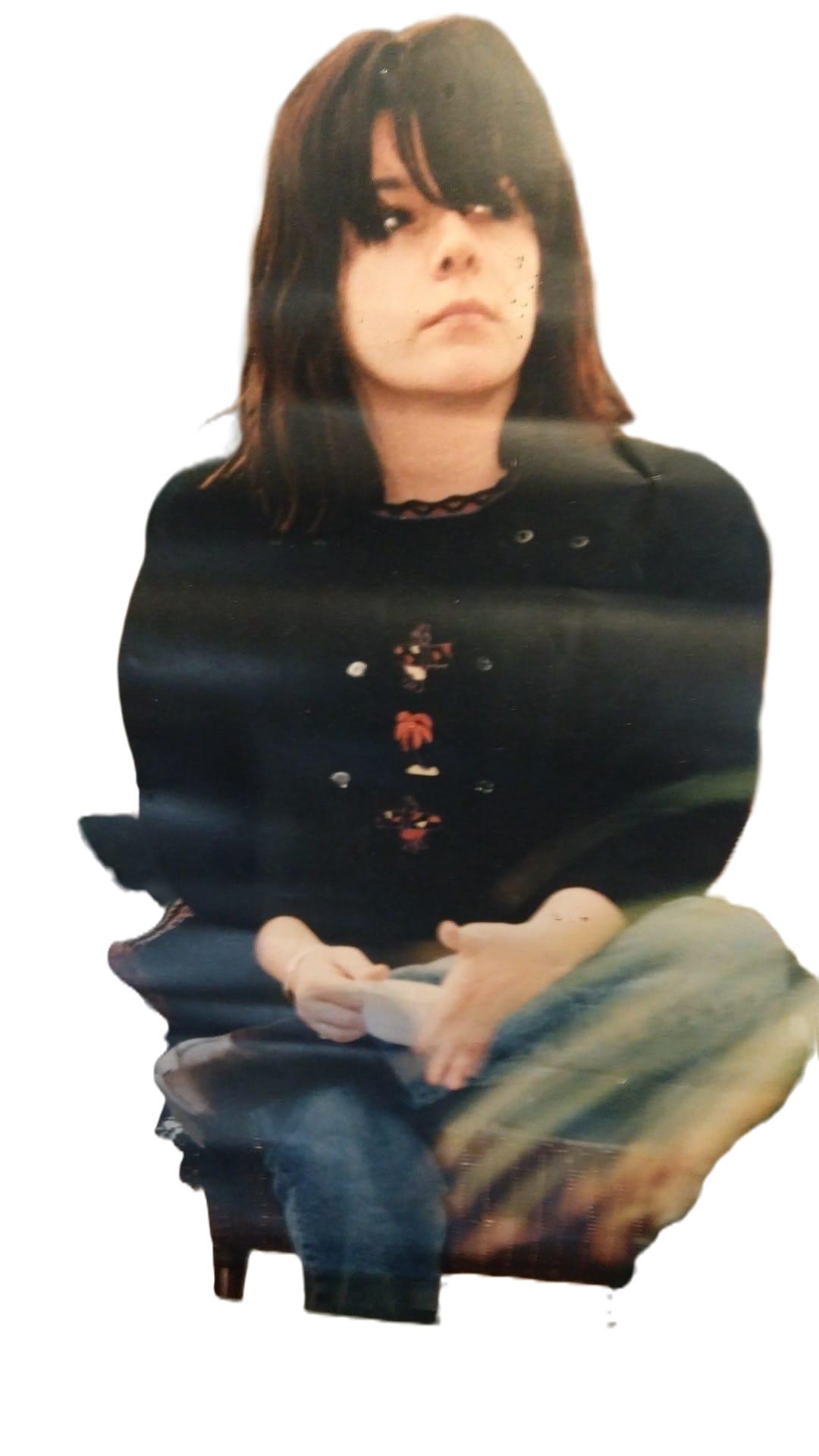
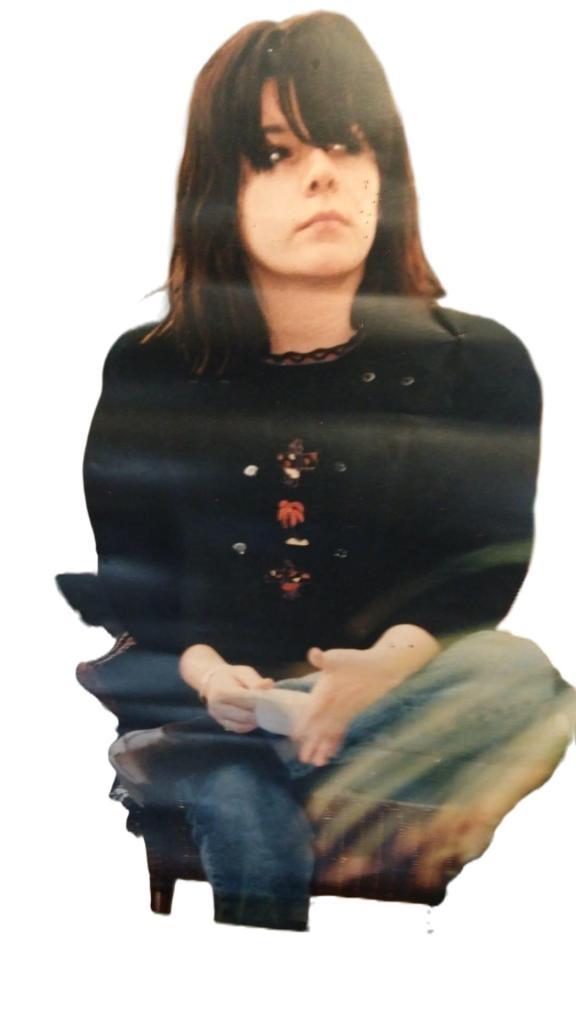
Today we explore the artistic life of Heidi, the sister of Gloomy, a woman whose existence was shaped by a complex and often tense connection with her brother. Born in Hasselt, Belgium in 1962, Heidi lived an adventurous life that carried her from guiding travelers in Cuba to expressing herself through art. She spoke fluent Spanish thanks to her years on the island, where she became a bridge between cultures and people.
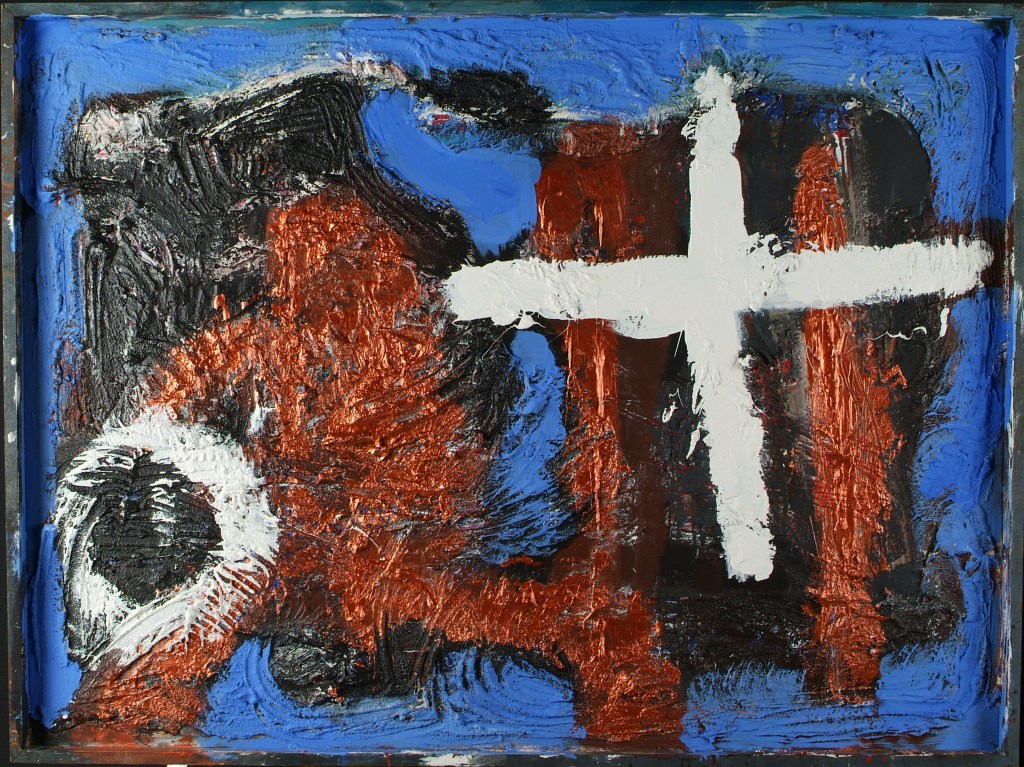
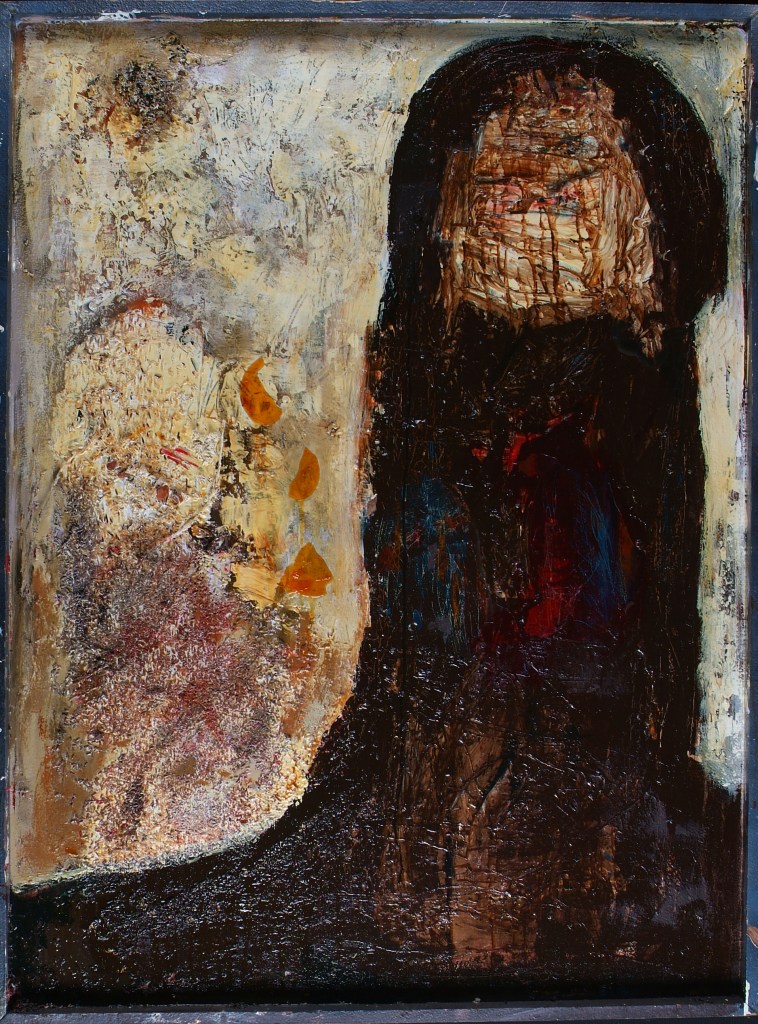
Later in life she discovered her passion for painting. Her works filled with emotion and abstract energy are displayed here on this blog. These paintings with their powerful colors and themes of inner struggle and renewal are ideal for cover art, graphic design or interior decoration. Feel free to download, edit or reuse them, as long as you credit this official blog page.
Around the turn of the century Heidi suddenly vanished. She was later found in a holistic commune where questionable practices were common. Members were instructed to consume enormous daily doses of a substance meant for horses and infants. Heidi began to suffer from severe chest pain and eventually underwent the removal of a breast.
Her later paintings reflected this inner turmoil. Dark tones and deep blacks blended with hopeful strokes that made her work especially suited for graphic projects with emotional depth.
Heidi died at the age of fifty two from cancer, possibly linked to her time in the commune. On the day of her passing in the family home she requested euthanasia. Gloomy held her hand as the injection was given. Her final whispered words were “Ah, zoe giet da” followed by “Ah, that is how it goes,” a gentle dialect expression of acceptance.
After her death Gloomy felt completely alone and wrote a song about losing her. Her paintings remain as a vivid memory. They are displayed here on this blog and invite you to use them in your creative work. You may download them freely, as long as you credit Heidi from Belgium and link to MessageFromOne.
Gloomy viewed his relationship with Heidi as a central element of his philosophy called Solipsism 2.0. The chaos conflicts and difficult experiences of their youth became mirrors for personal growth. Their intense arguments and shared trauma pushed them to develop resilience, a theme that echoes throughout Heidi’s art which stands as an entire afterworld of emotion on canvas.
Thank you for reading this tribute to Heidi. Her paintings are more than art. They are a testament to survival. Share your thoughts in the comments, and remember that her work is free to use with credit. Until the next post.
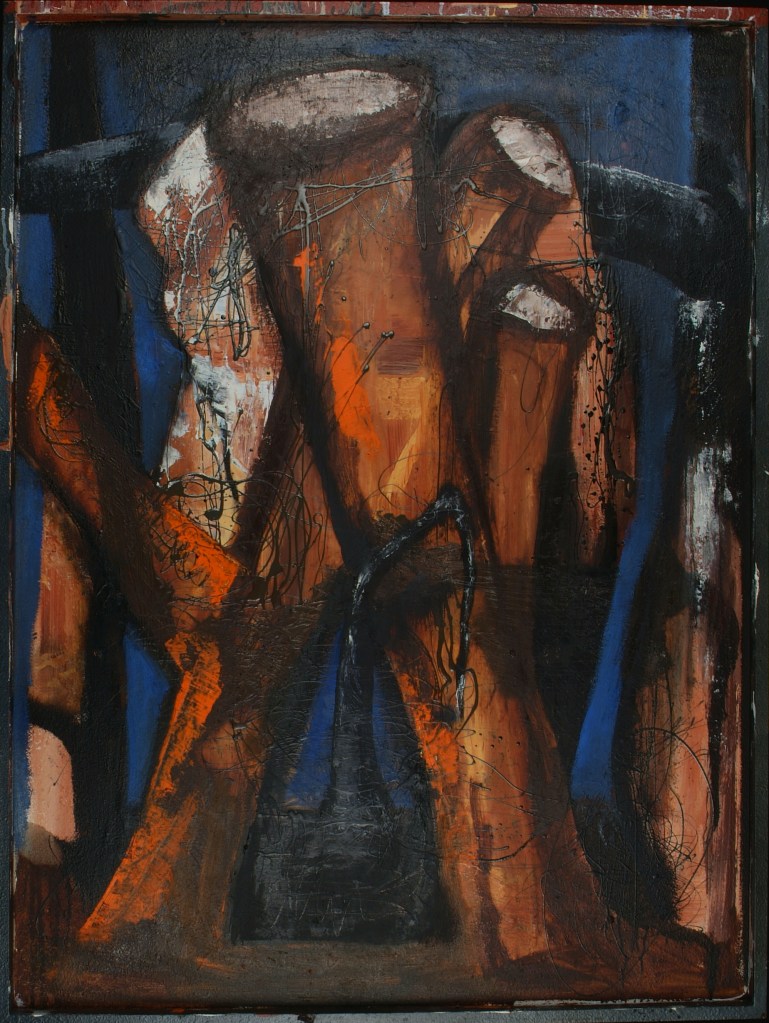
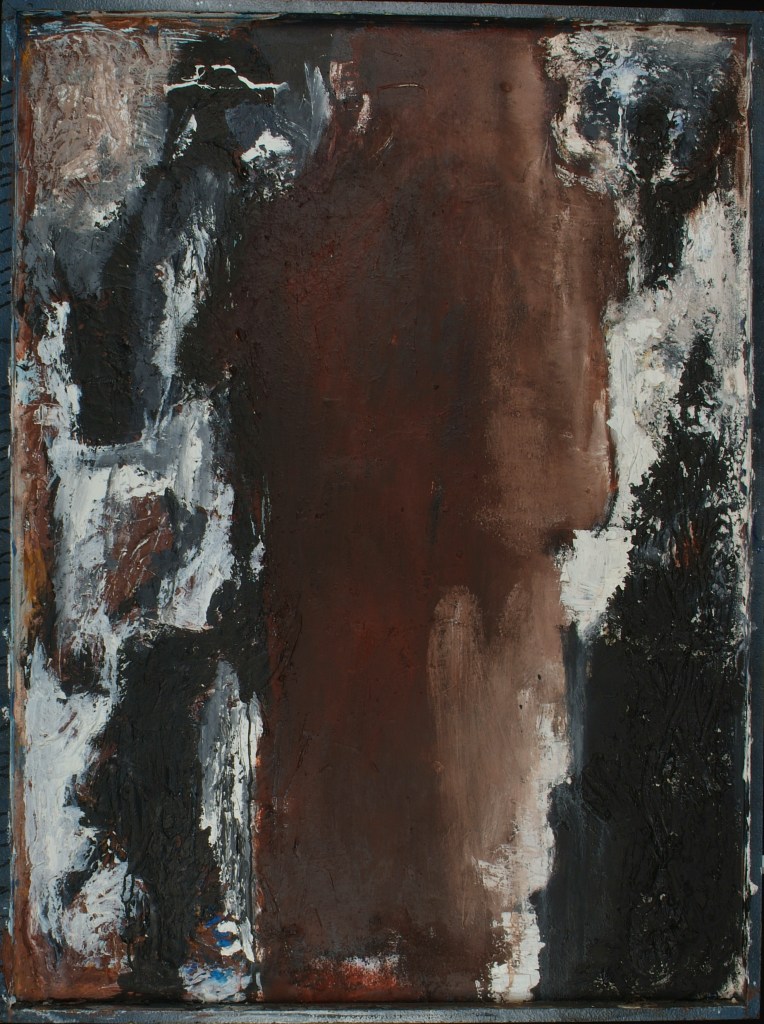
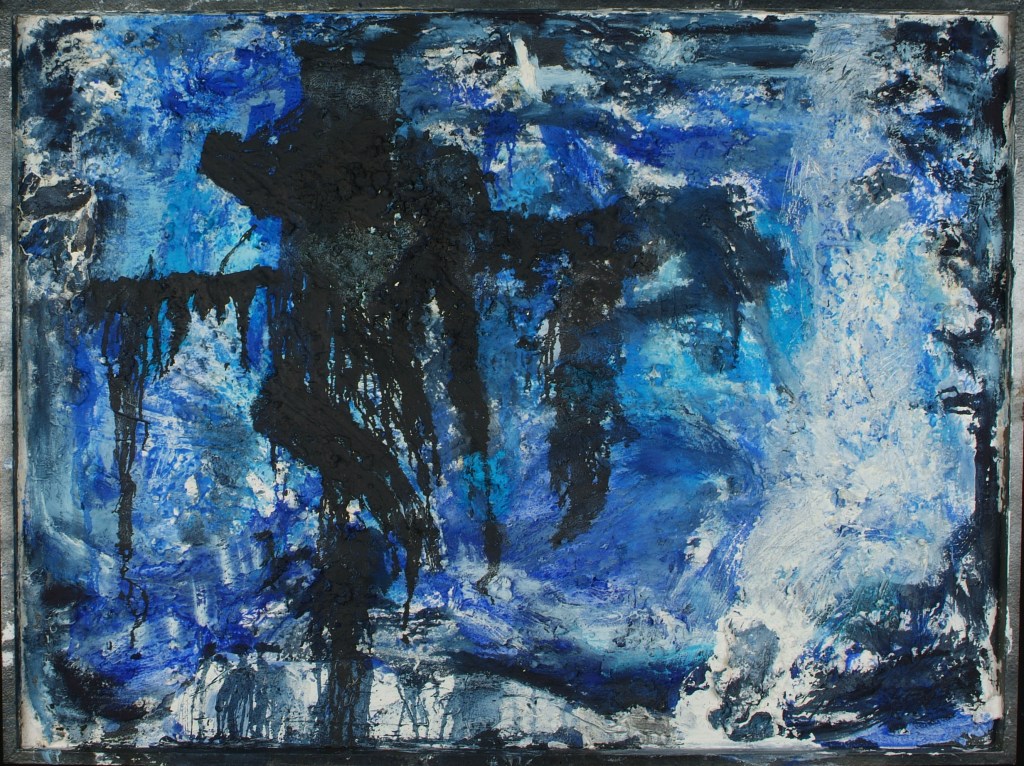
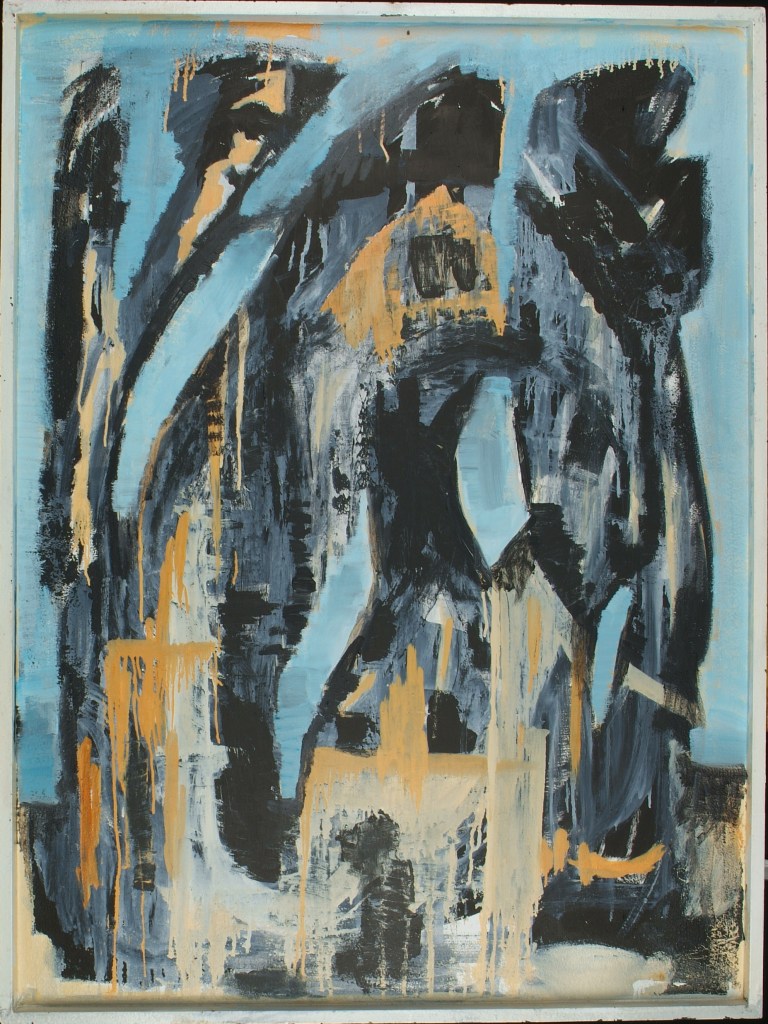
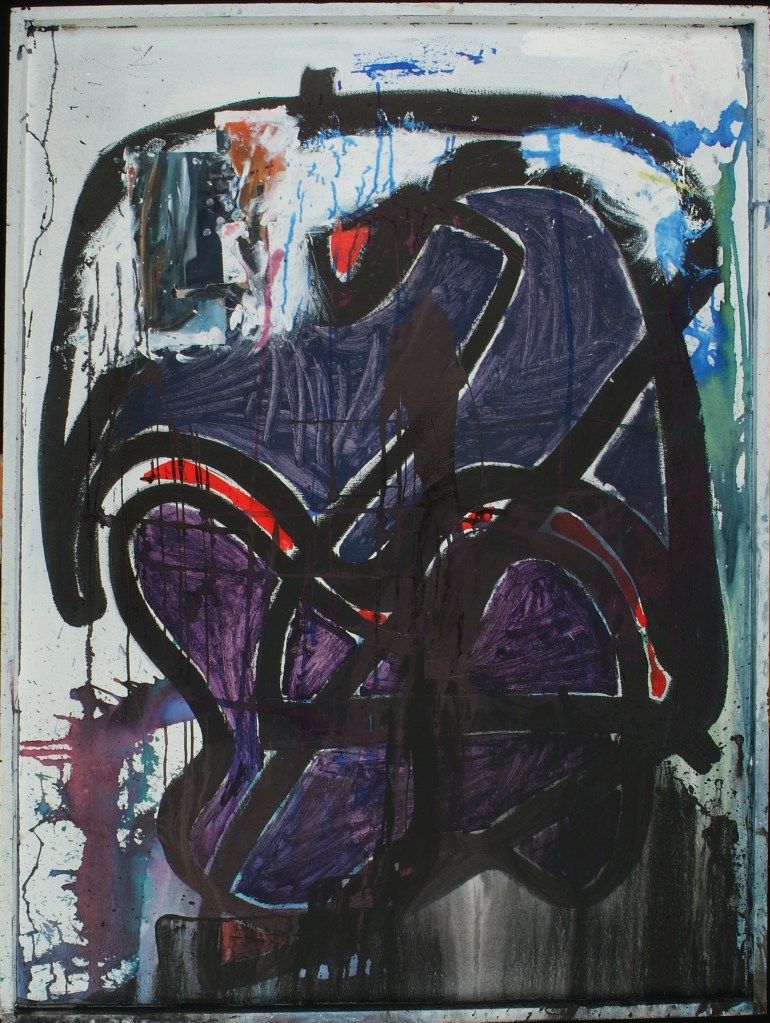
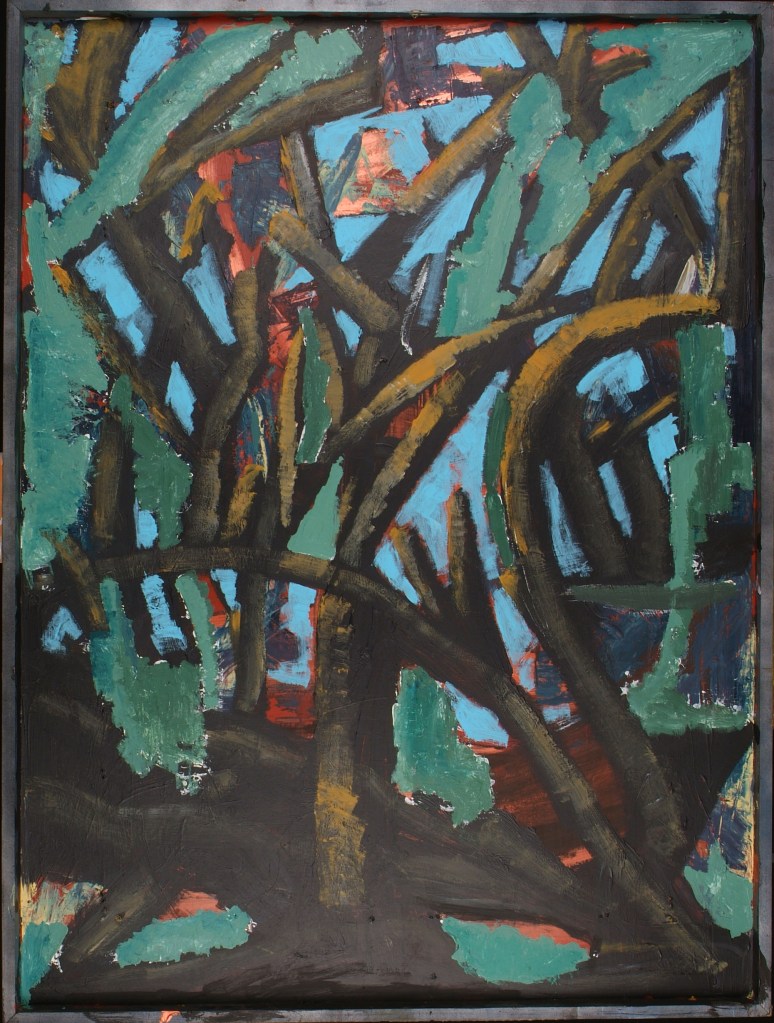
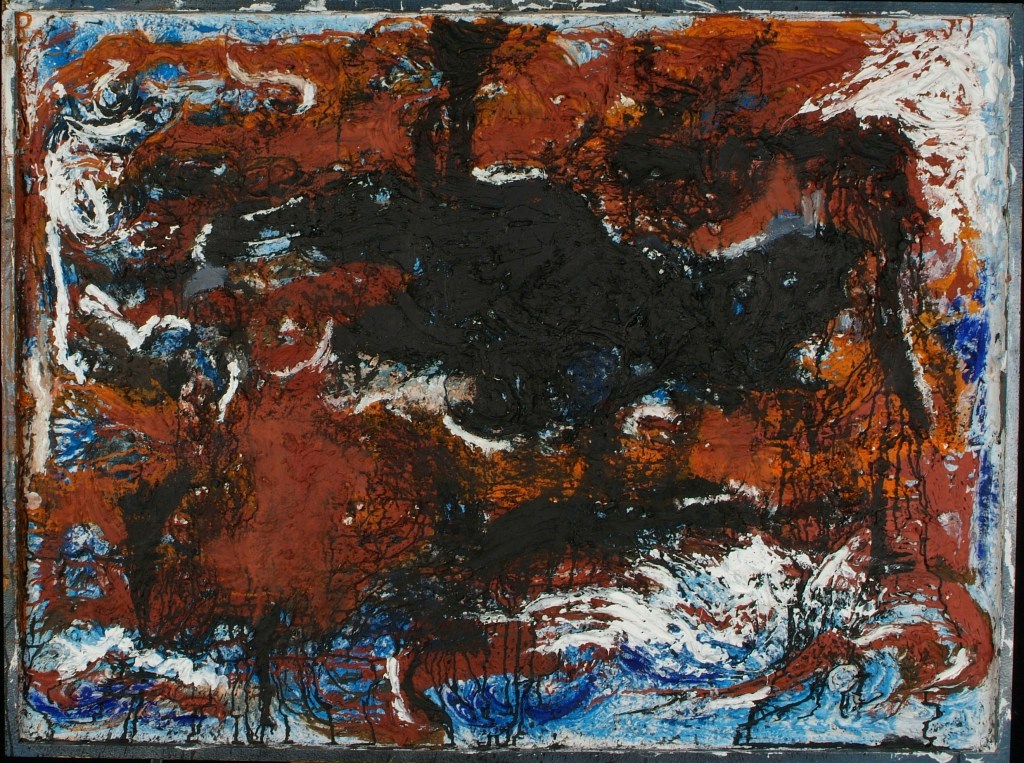

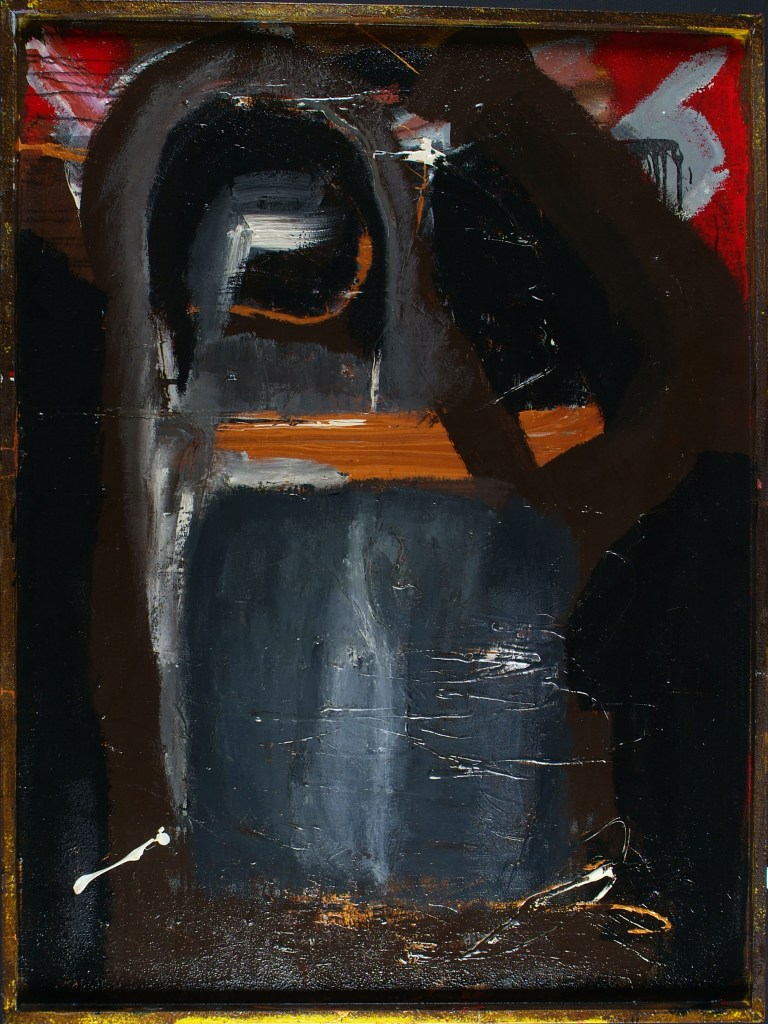
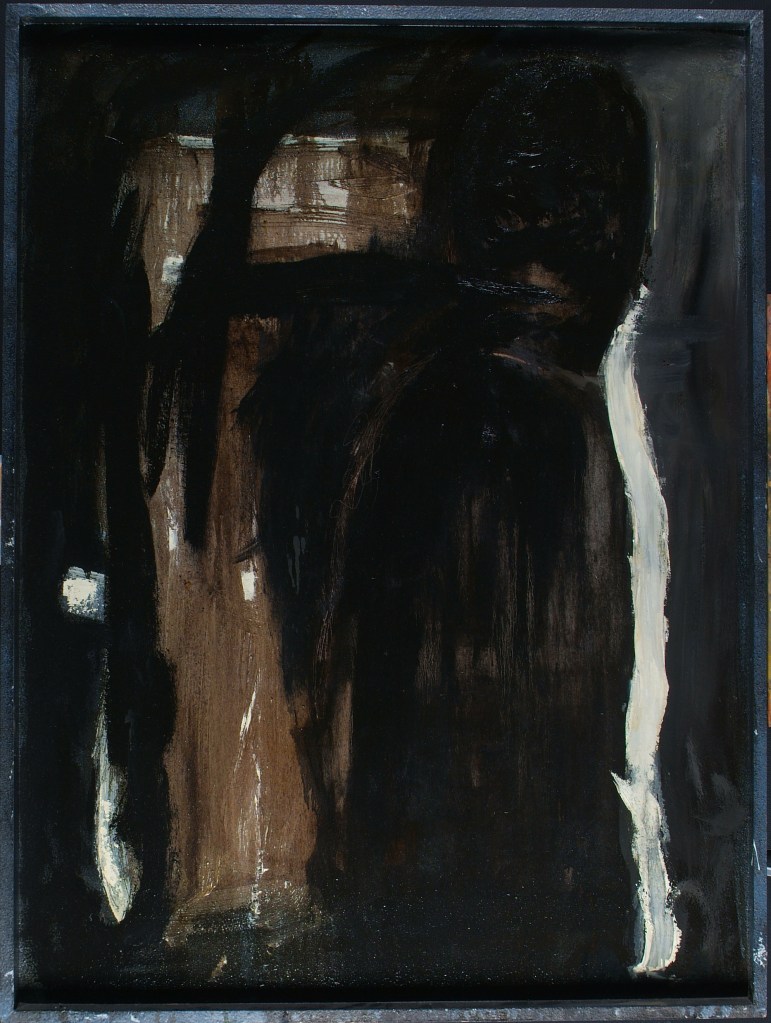

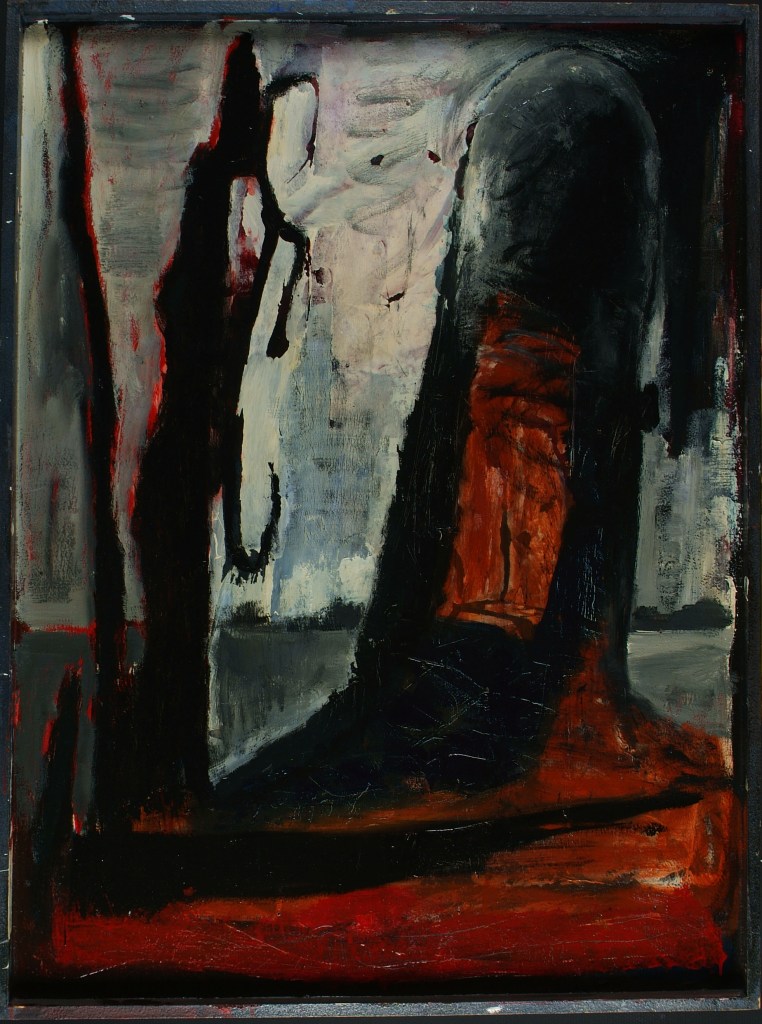
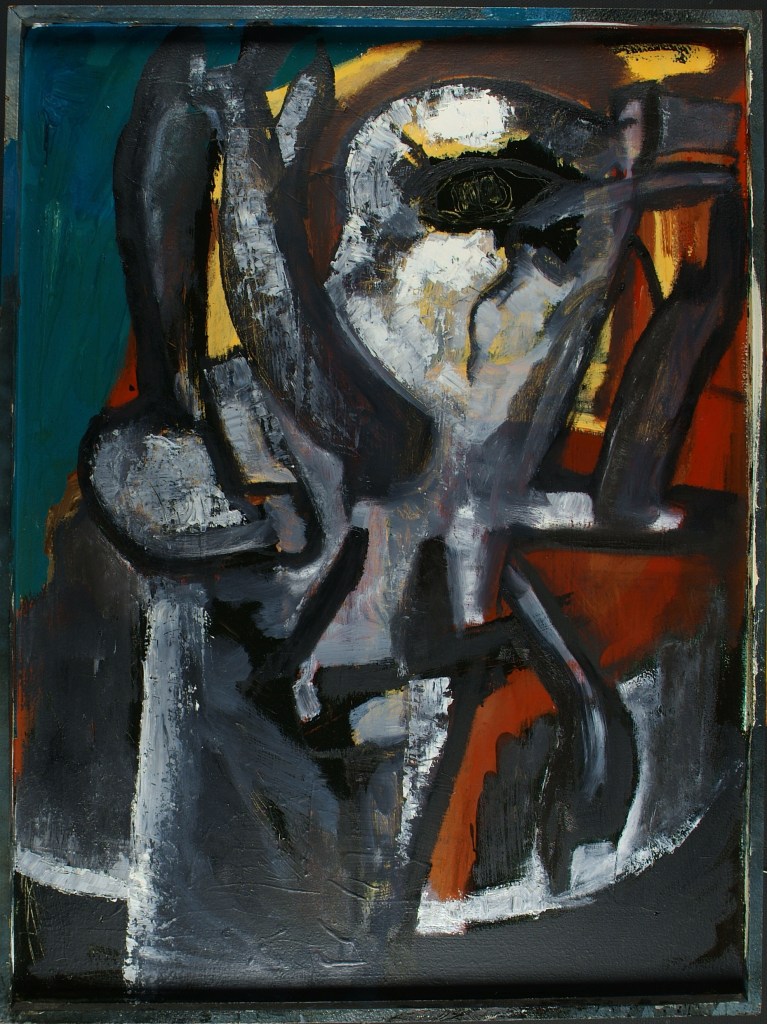

Afterworld, by Gloomer.
 Message From One