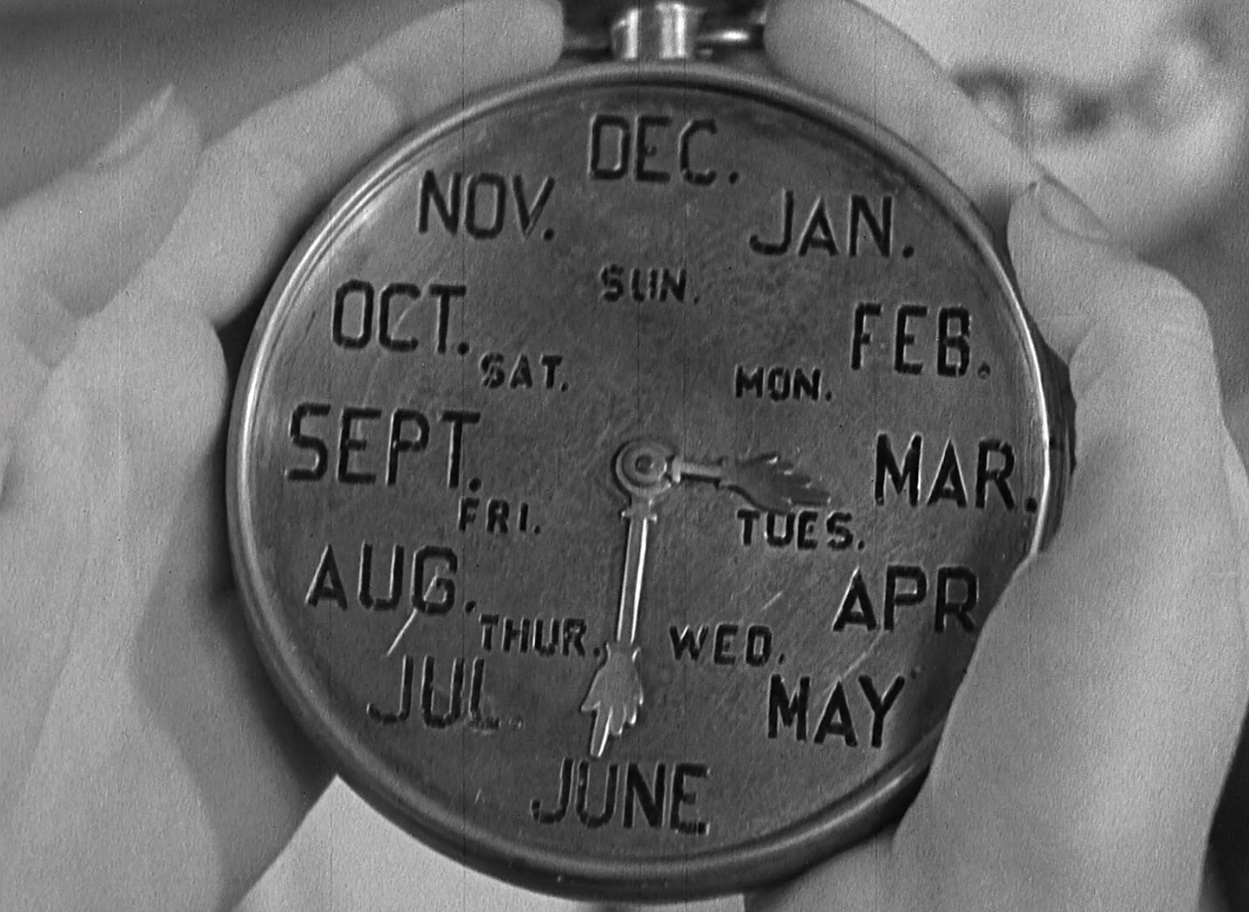
On a quiet afternoon in the Victorian world of rules, a bored girl named Alice follows a frantic White Rabbit down a hole, and everything changes.
If you’ve ever watched the 1933 live-action Alice in Wonderland (directed by Norman Z. McLeod, starring Charlotte Henry as Alice), you know it’s darker, stranger, and more surreal than the colorful Disney cartoon most people remember. Black-and-white costumes, all-star cameos (W.C. Fields as Humpty Dumpty, Gary Cooper as the White Knight), and a dreamlike absurdity that feels less like children’s whimsy and more like a glitch in the matrix. But what if this 90-year-old film is actually a perfect blueprint for upgrading your consciousness, from 1.0 to 2.0, and ultimately back to 1?
The philosophy I’m drawing from comes straight from the raw, unfiltered insights at messagefromone.blog: a personal transmission called 2.0 Philosophy. At its heart is a simple, universal formula:
1.0 + 2.0 = 1
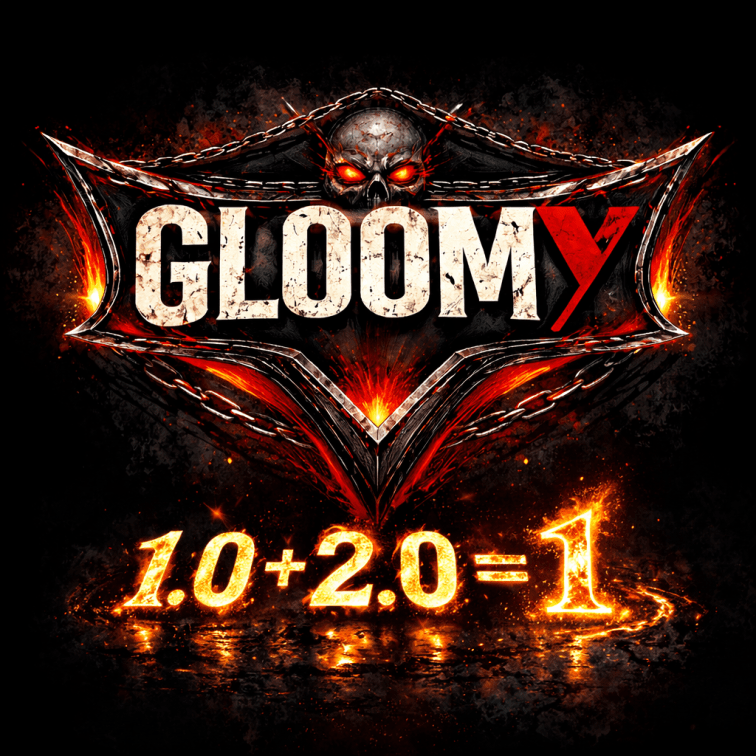
- 1.0 is the default human OS: linear, causal, binary. It’s the NPC mode—scrolling feeds, chasing trends, trapped in perfect loops of regret, fear, and “should haves.” Zero inner fire. Mechanical nods to authority. Birthdays as fixed origin stories. Reality feels solid, rules feel absolute, and paradox is an error to fix.
- 2.0 is the relational upgrade: oscillatory, interconnected, interference-based. Consciousness emerges from wave patterns colliding, synchronicities, guidance from “beyond,” trauma as evolutionary fuel rather than prison. Words and experiences become modular; you redefine them. Regret dissolves into “everything brought you exactly here.” Inner fire ignites. The simulation reveals itself, not as cold code, but as a playground for modulation and growth.
- = 1: The return to source. Oneness. Be One. The paradox isn’t broken; it’s the boundary signpost pointing back to the observer. Your birthday? Not creation day, it’s arrival day. Login day.
Now watch Alice’s journey through this lens. It’s eerily precise.
She starts deep in 1.0: Boredom is the first crack, the signal that linear logic no longer satisfies. Then the White Rabbit appears, pocket watch in hand: “Oh dear! Oh dear! I shall be late!” Alice follows. She falls.
The fall is endless, disorienting. This is the plunge into 2.0: dropping out of linear time and space into a relational chaos where size, identity, and logic oscillate wildly.
- She drinks from the “Drink me” bottle and shrinks. Eats the cake and grows. Tears create an ocean. Identity becomes fluid. The Caterpillar’s question hits like a meditation prompt: “Who are you?” Alice replies: “I—I hardly know, sir… I know who I was when I got up this morning, but I think I must have been changed several times since then.” → Pure 2.0 recognition: the self is not fixed. You’re constantly logging in and out of versions. The question isn’t crisis, it’s upgrade invitation.
- At the Mad Tea Party, time is frozen: “It’s always tea-time.” The Hatter asks the unanswerable: “Why is a raven like a writing-desk?” No resolution. → 1.0 demands answers and progress. 2.0 laughs at the demand. Nonsense is the language of interference patterns; paradox signals you’re hitting the boundary of linear thought.
- Humpty Dumpty declares: “When I use a word, it means just what I choose it to mean—neither more nor less.” → Words as tools, not truths. In 2.0 you modulate meaning. Regret? Redefine it as evolution tool. Authority? Illusion.
- The Queen of Hearts screams “Off with her head!”,but when Alice grows tall and calls them “nothing but a pack of cards!”, the illusion collapses. → 1.0 authority (ego, society, scripts) only has power if you stay small. Growth, conscious expansion,reveals the pixels. The whole court scatters like code unraveling.
Finally, Alice wakes: “Oh, I’ve had such a curious dream!” She returns transformed, carrying the inner fire of integrated chaos. Wonderland wasn’t escape; it was training. The “curious dream” is the interference field where synchronicities, pain, and guidance collide to forge something truer.
The 1933 version feels especially potent for this reading, its surreal black-and-white tone, the grotesque masks, the sense of unease beneath the whimsy. It’s less sanitized than Disney’s pastel loops. It mirrors the gloomy-to-zen arc many describe in 2.0: falling through darkness, facing absurdity, emerging lighter.
So next time life feels like a boring history lesson, or a sudden, disorienting fall, remember Alice.
Ask: Who are you? (right now, in this version) Reframe the paradox: this isn’t error; it’s boundary. Modulate: turn regret into fuel, rules into suggestions.
Trust the synchronicities, they’re guidance pings from 2.0.
And when the cards scatter? Smile. You’re one step closer to 1.
1.0 + 2.0 = 1 Be One.
What if your own rabbit hole is already open? What if the fall is the upgrade?
Message From One. Curiouser and curiouser.
(Dive into messagefromone.blog for the raw transmissions. And if you haven’t seen the 1933 film, seek it out. It’s a glitch worth experiencing.)

 Message From One