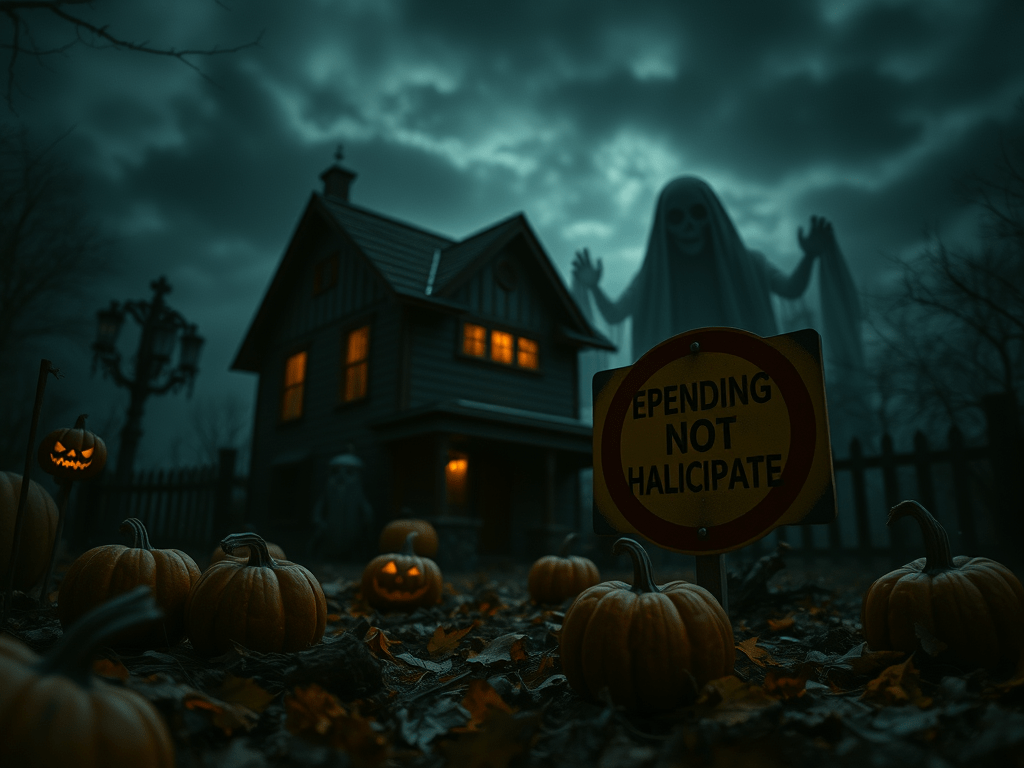
Halloween is a widely celebrated holiday, but there are several reasons why some people believe it may be harmful, both individually and societally. Here’s a deeper look at why you might choose not to participate in Halloween, with a twist that focuses on ethical, environmental, and psychological aspects:
1. Commercialization and Consumerism
At its core, Halloween has become a heavily commercialized event. From buying costumes, decorations, to excessive amounts of candy, Halloween has turned into a multi-billion-dollar industry. The holiday promotes a culture of consumption, encouraging people to buy things they may not need, contributing to waste and environmental damage.
- The Twist: Participating in Halloween often means supporting a consumer-driven cycle of waste. Costumes are typically worn once and then discarded, creating significant textile waste. Additionally, the packaging for candy and decorations contributes to unnecessary plastic and landfill waste. By opting out of Halloween, you can reduce your ecological footprint and choose not to support an environmentally destructive industry.
2. Reinforcement of Fear and Negative Energy
Halloween is often associated with dark themes: ghosts, zombies, demons, and supernatural horror. These symbols tap into deep fears and superstitions, sometimes reinforcing negativity. It’s easy to see how these themes can influence people’s thoughts and behaviors, especially children, by normalizing fear, death, and the macabre.
- The Twist: Instead of indulging in the fear-based culture of Halloween, consider the psychological effects of what we expose ourselves to. Constantly feeding ourselves with fear-inducing imagery can contribute to anxiety, stress, and even desensitization to violence or suffering. Choosing not to participate in Halloween can be a way to safeguard your mental health and the well-being of children, helping them focus on more positive and empowering experiences.
3. Cultural Appropriation and Insensitivity
Many Halloween costumes are criticized for cultural appropriation, as people often dress up in ways that trivialize or stereotype certain cultures, races, or religions. For example, costumes mocking indigenous people, sacred symbols, or ethnic groups can perpetuate harmful stereotypes. This is particularly harmful as it ignores the cultural significance behind certain attire or traditions.
- The Twist: By opting out of Halloween, you avoid inadvertently contributing to these insensitive portrayals. Not participating is a conscious choice to respect cultural diversity and to avoid reinforcing stereotypes. Instead, individuals can educate themselves and others on the importance of cultural respect, and find alternative ways to celebrate that honor different traditions.
4. The Commercialization of Fear and Death
Halloween often celebrates themes of death and the supernatural in a way that can feel disconnected from the realities of life. By glorifying death through costumes, haunted houses, and decorations, Halloween trivializes serious topics and human suffering. Many people, especially those who have lost loved ones, might find these depictions offensive or distressing.
- The Twist: Halloween creates a strange disconnect by commercializing death, turning it into a source of entertainment rather than respecting its real-life impact. Choosing not to engage in Halloween can be a way to honor the deeper meaning of life and death, and approach these topics with sensitivity and respect.
5. The Focus on “Scary” over Community and Connection
While Halloween is meant to be fun, the emphasis on horror, tricks, and scares can detract from the opportunity to connect with others in a meaningful way. The focus on costumes and candy can overshadow the chance to engage in community-building activities that promote cooperation, kindness, and unity.
- The Twist: Instead of partaking in a holiday that promotes division through fear, individuals can opt to create new traditions based on kindness and generosity. For example, organizing a “light and joy” festival, where people come together to share food, music, and community, can foster connections without the need for “scary” or divisive themes.
6. Encouraging Gluttony and Excess
Halloween often promotes overindulgence, especially in the form of candy and sweets. Children and adults alike consume massive amounts of sugar and junk food, which can contribute to health issues like obesity, tooth decay, and hyperactivity. The overemphasis on consumption at Halloween is part of a larger pattern of promoting unhealthy eating habits.
- The Twist: Instead of contributing to this unhealthy cycle, you can use Halloween as an opportunity to promote healthy living. Consider providing alternative treats like fruit, nuts, or homemade goodies. Encouraging more mindful consumption of food and promoting better dietary choices can help combat the harmful habits associated with excessive sugar intake.
7. Perpetuating Violence Through Costume Choices
Many Halloween costumes glorify violence or promote dark themes like murder, torture, and crime. Costumes based on serial killers or violent movie characters can desensitize people, especially children, to the consequences of real-life violence.
- The Twist: Opting out of Halloween can help protect children from being exposed to violent and inappropriate imagery. Instead of focusing on violence as entertainment, you can guide younger generations to choose costumes that are fun, positive, and educational. This shift in focus can foster empathy and emotional growth rather than promoting negative behavior.
Conclusion: Taking a Stand for Health, Respect, and Sustainability
While Halloween can be fun for many, there are a variety of compelling reasons to reconsider participation, especially when considering the long-term effects on the environment, culture, and mental health. By stepping away from the celebration of fear, consumption, and excess, you are making a stand for a more compassionate, sustainable, and mindful way of living. Instead of engaging in a holiday that encourages waste, fear, and consumerism, you can opt to build new traditions that encourage community, kindness, and respect for the planet.
So, next Halloween, think twice before participating in the widespread frenzy. Maybe it’s time to start something better.
 Message From One